AI
Coloro has 43 free pumpkin coloring pages, and every one prints on plain A4 or US Letter paper. The set runs from bold blank outlines a three-year-old can fill to fine-line pumpkin art for adults. Downloading takes one click, with no account and no watermark.
These are line-art pages meant to be colored, not carving stencils meant to be cut out — though a simple outline transfers onto a real pumpkin, and the craft block explains how.
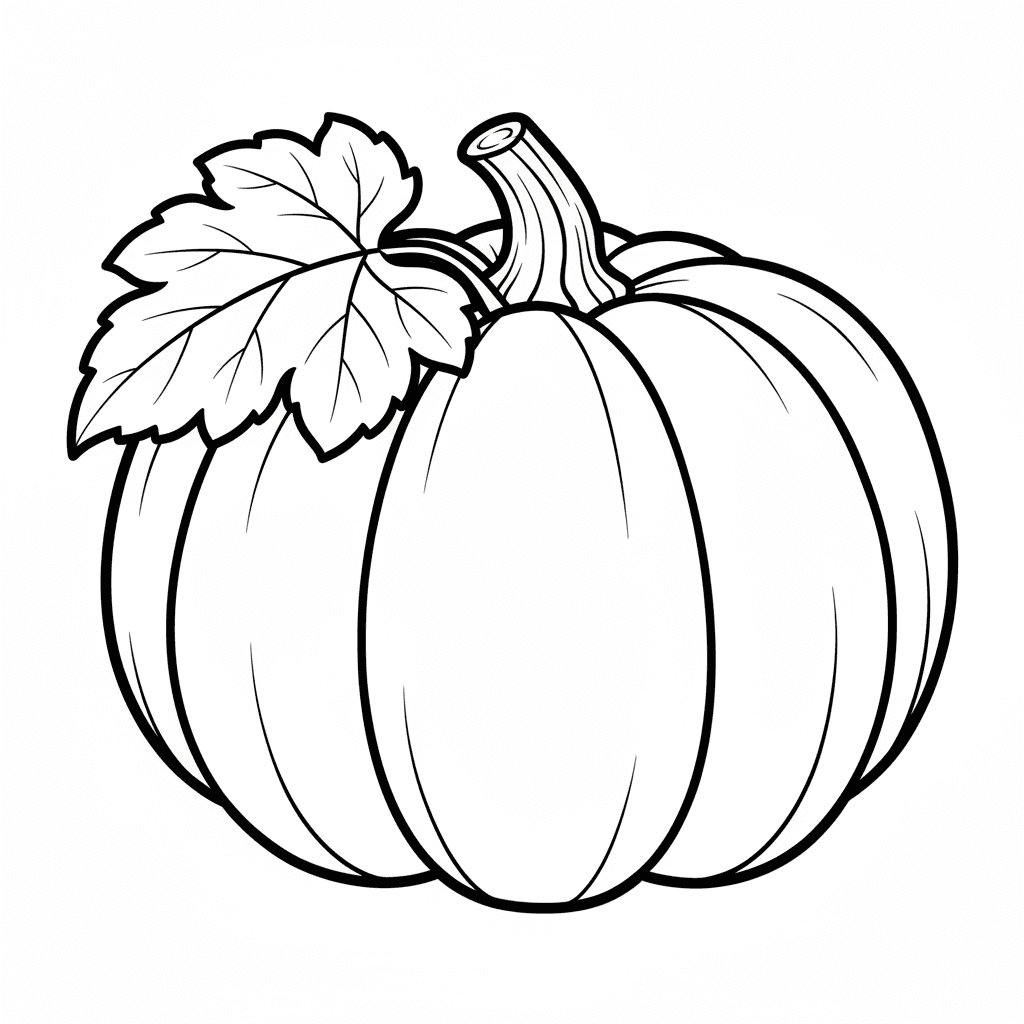
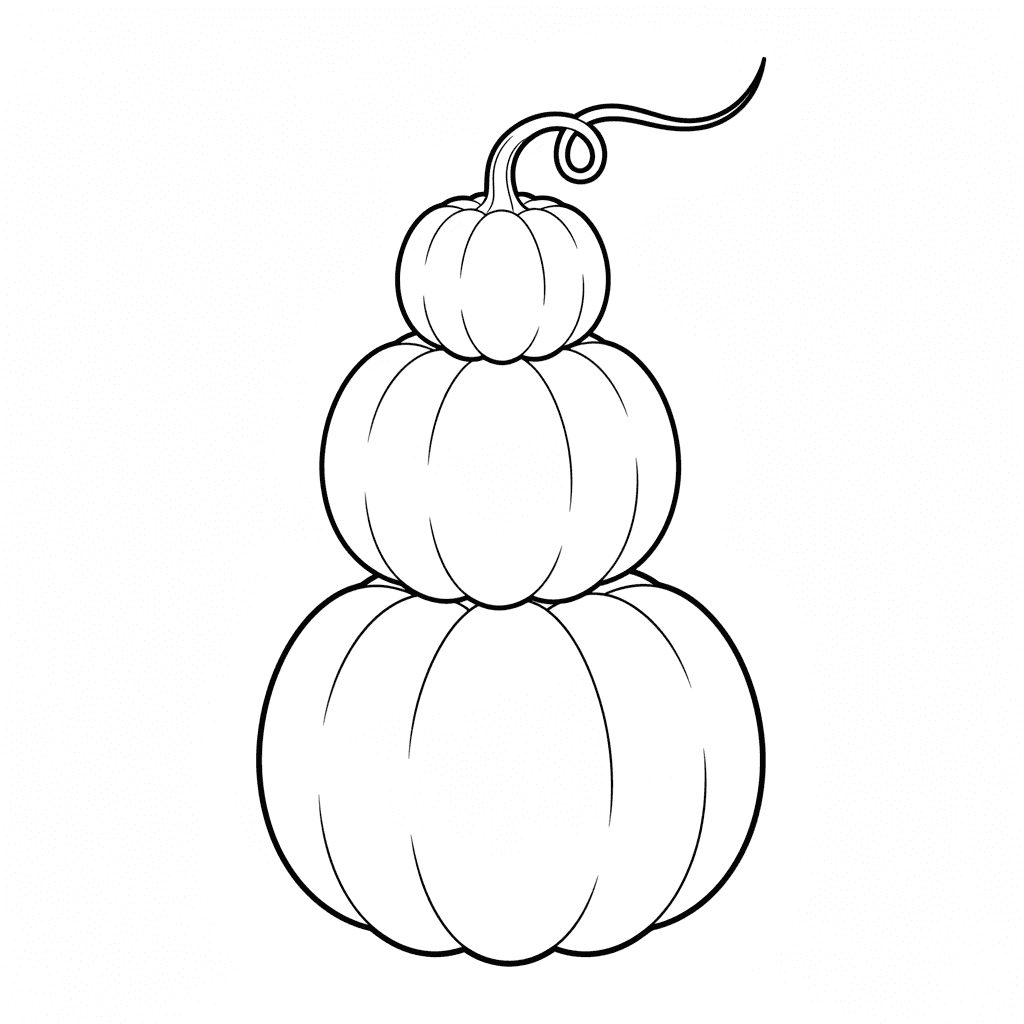
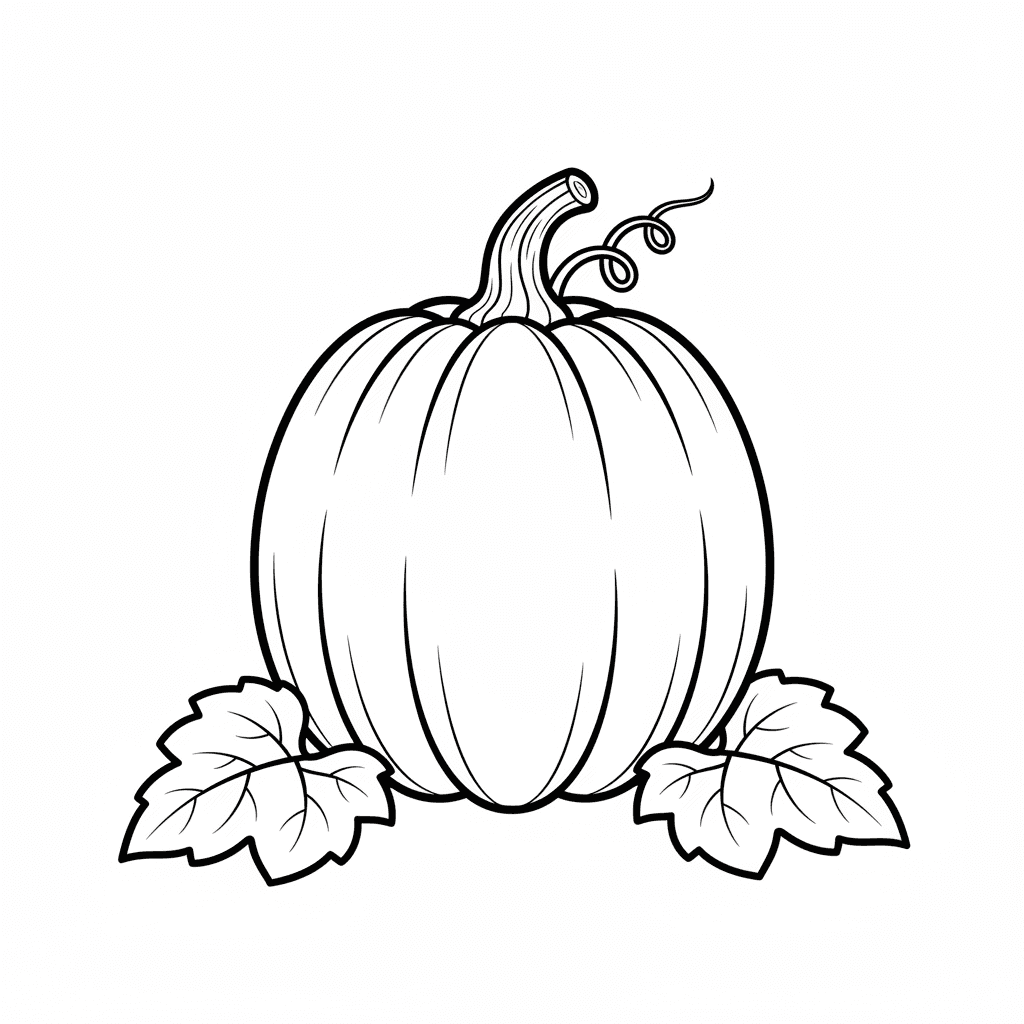
One pumpkin per sheet, thick outlines and large open areas. Sized for ages two to five, who lose interest once a shape takes more than a few crayon passes to fill.
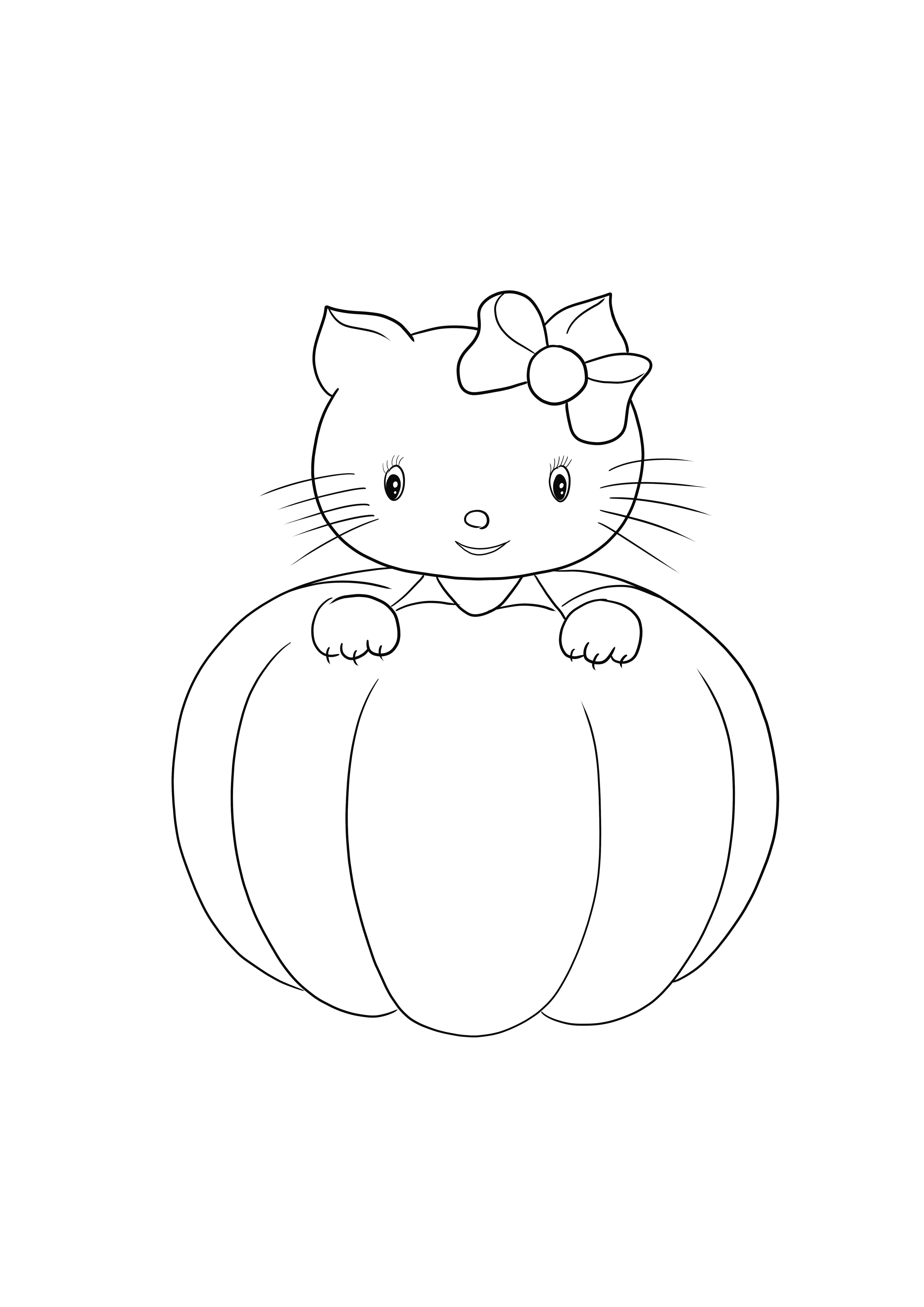
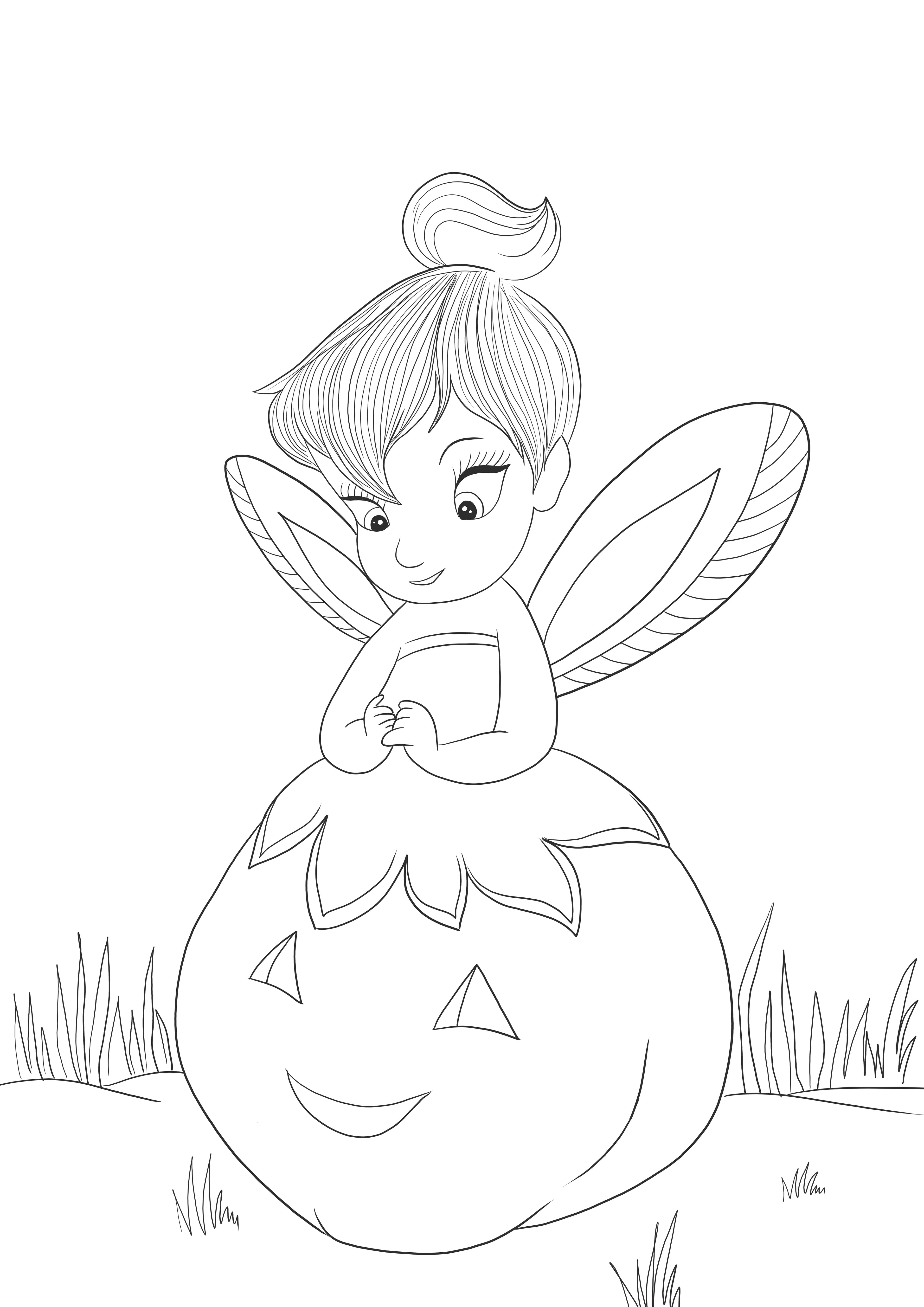
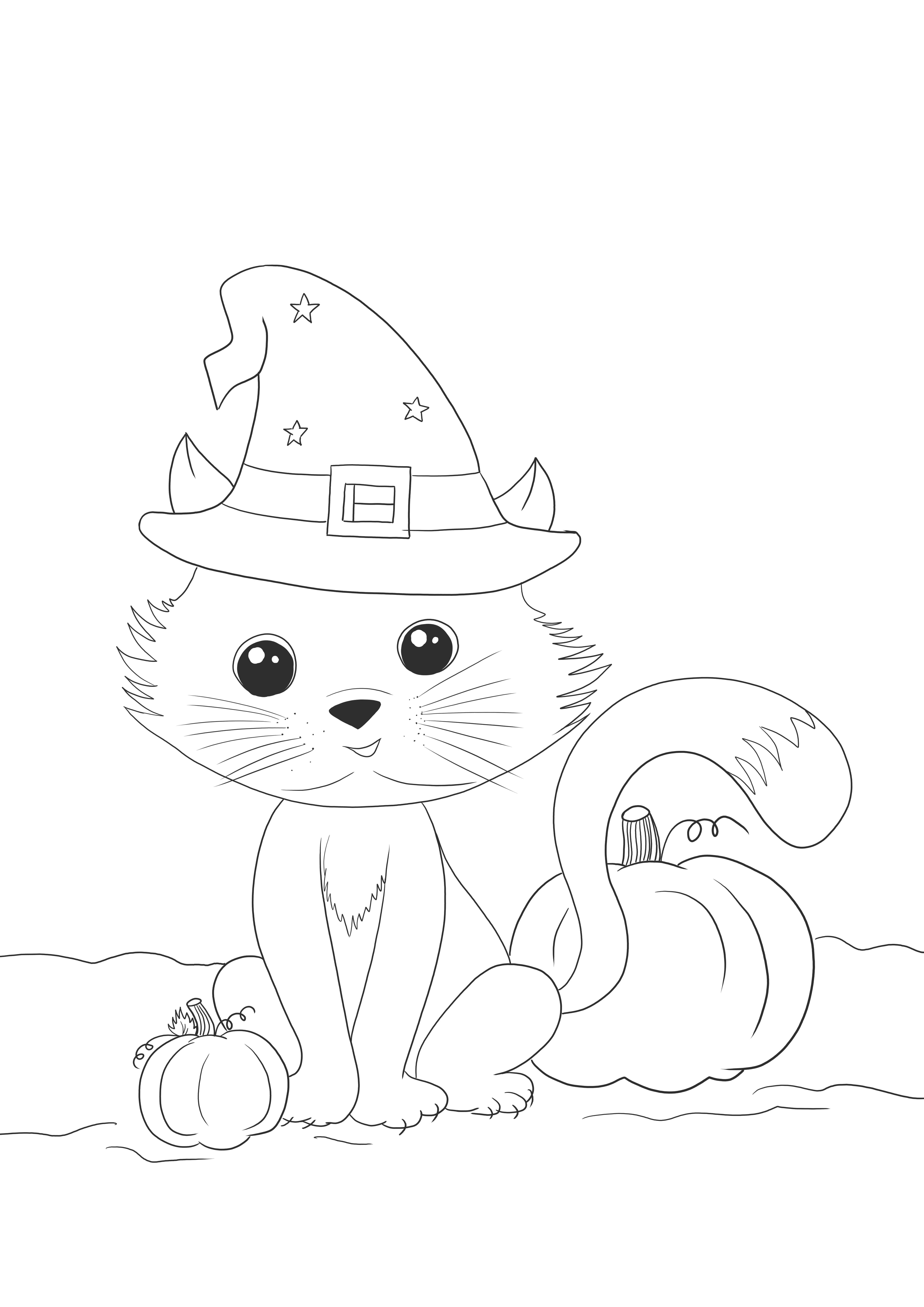
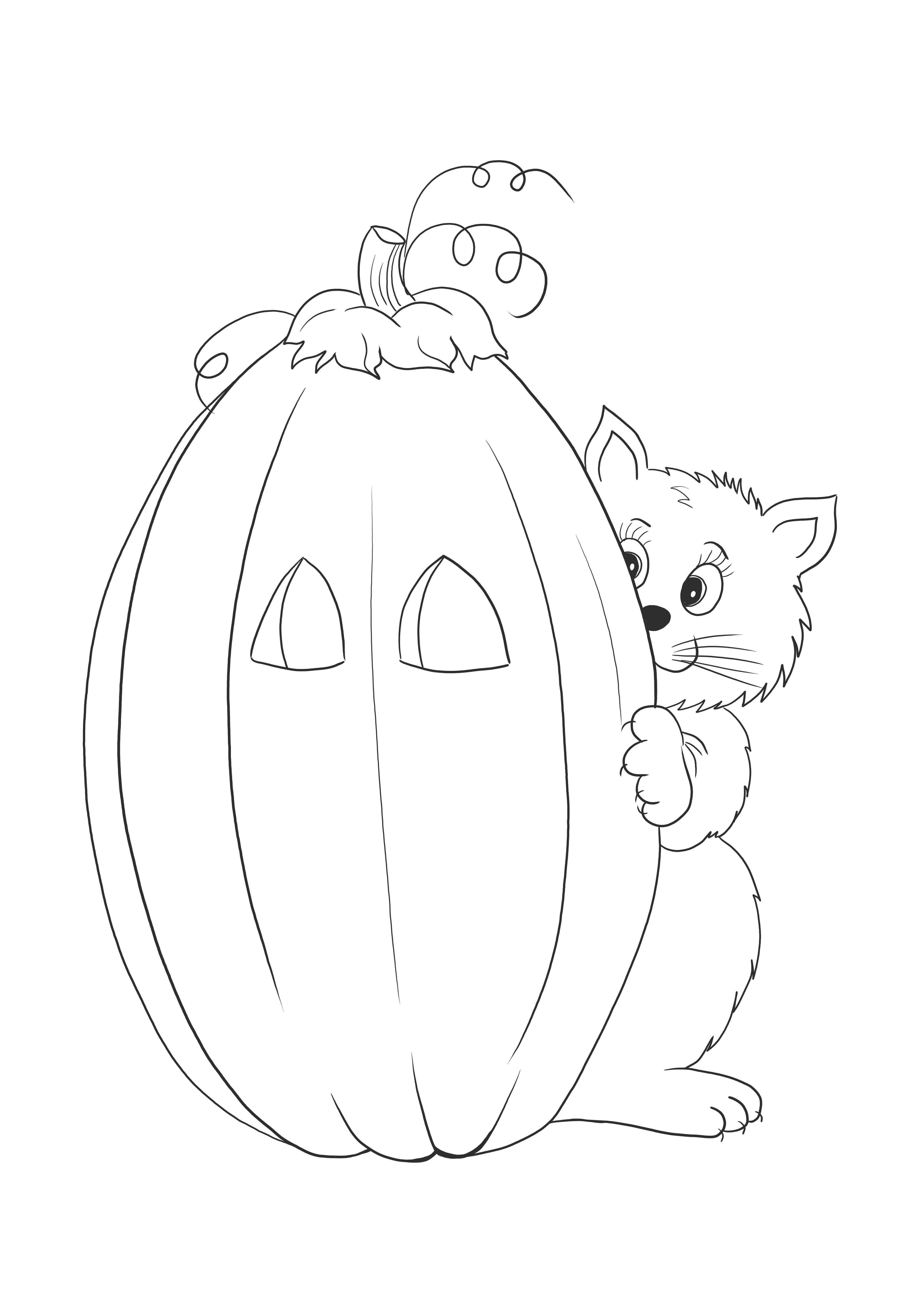
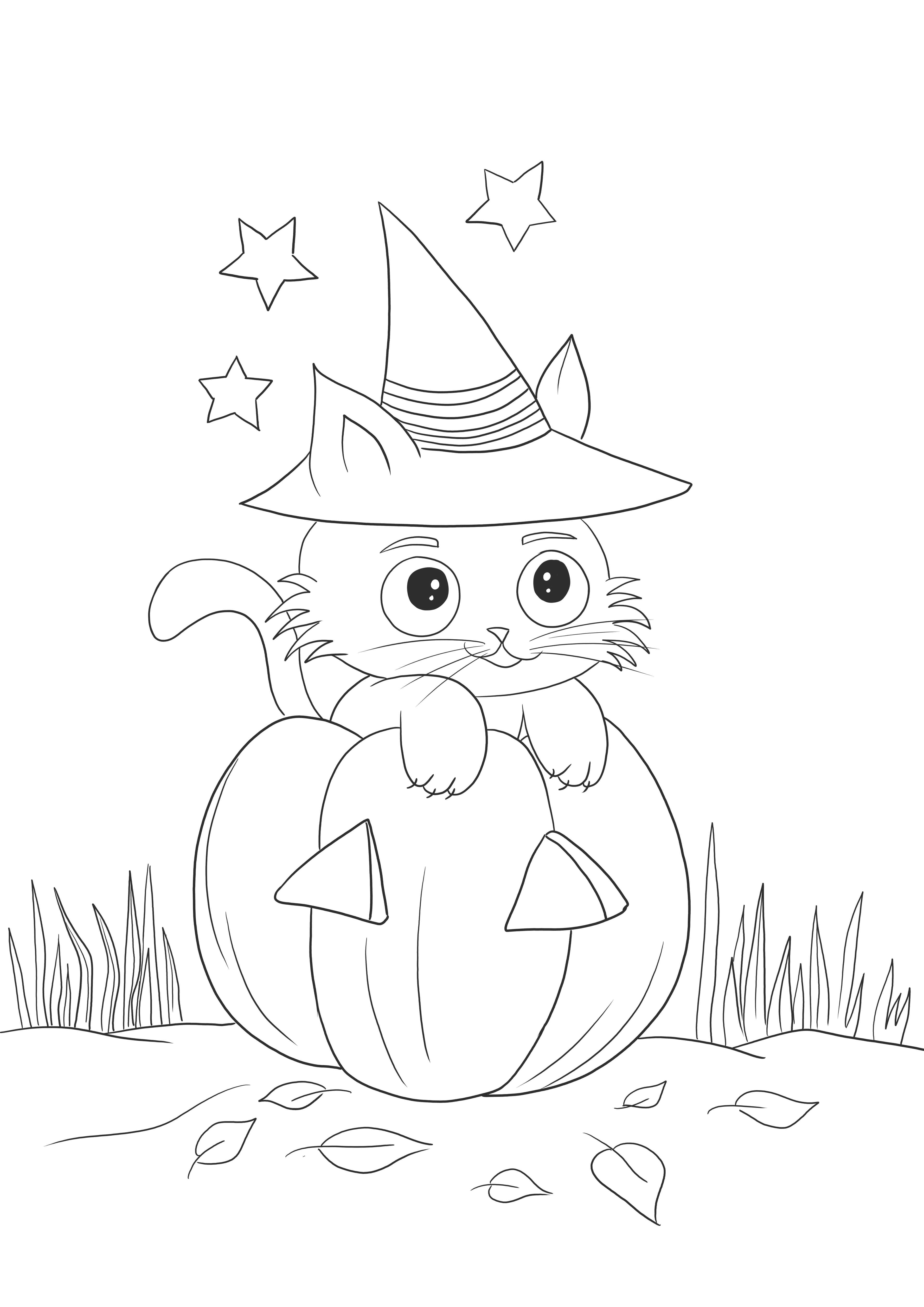
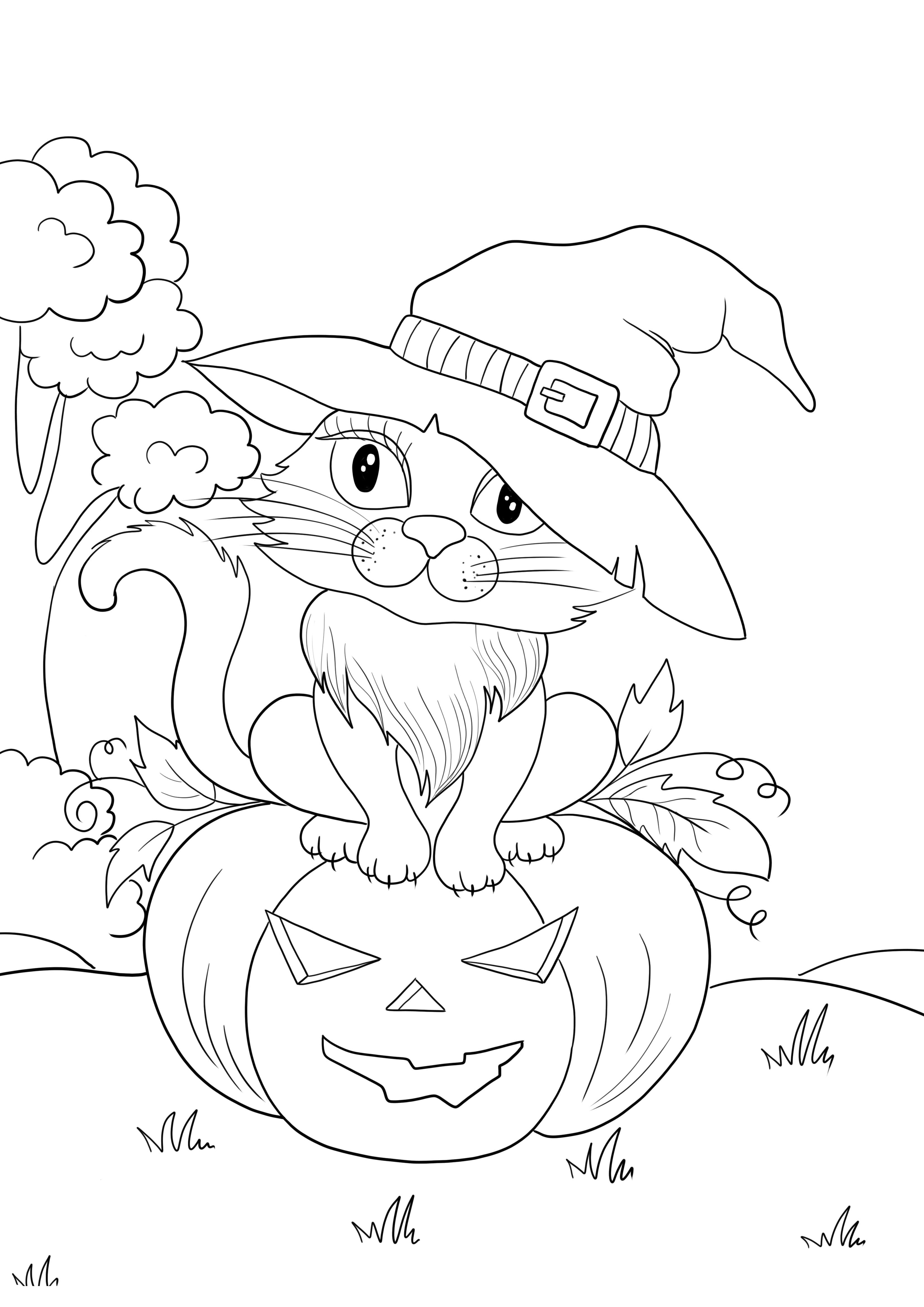
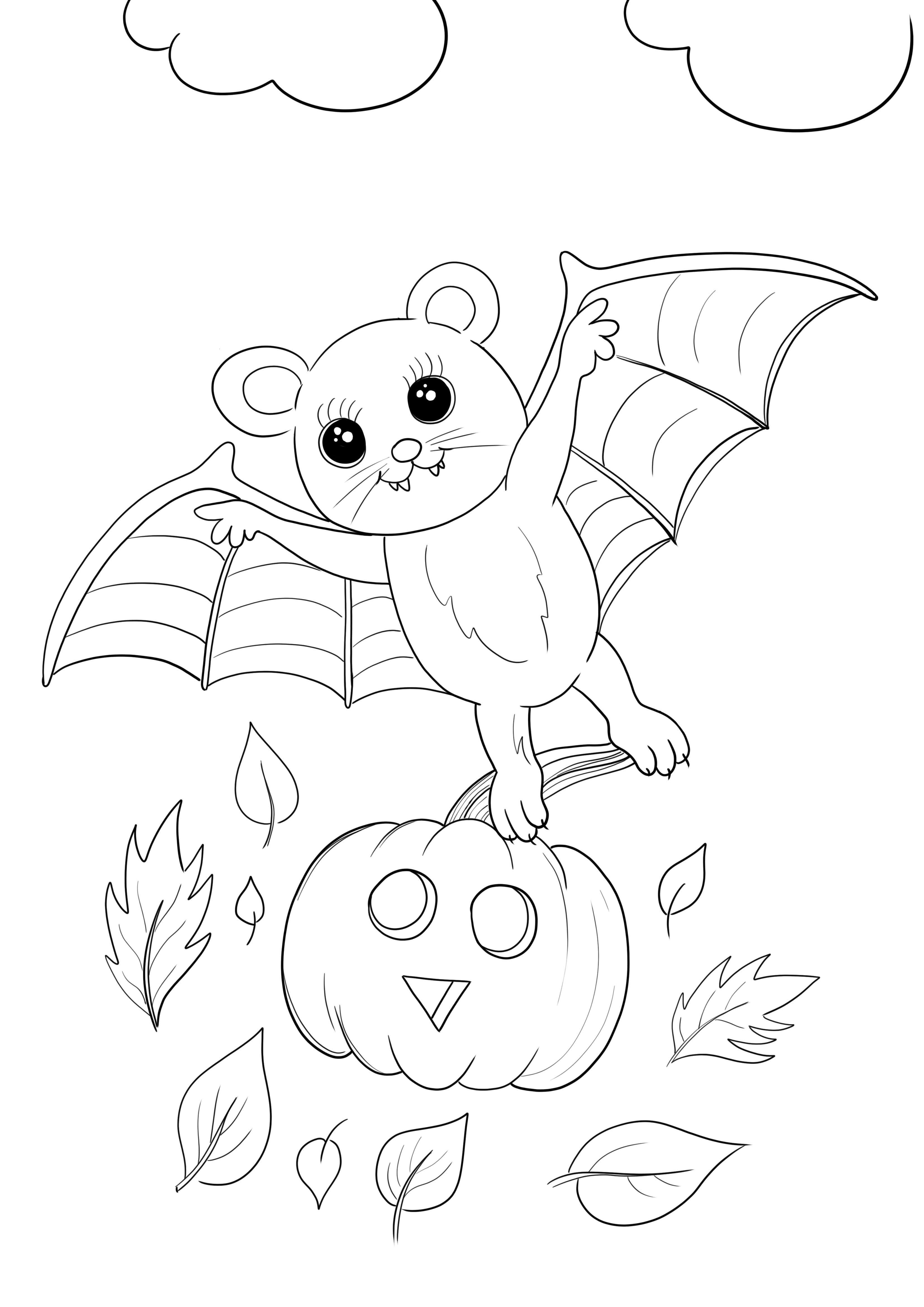
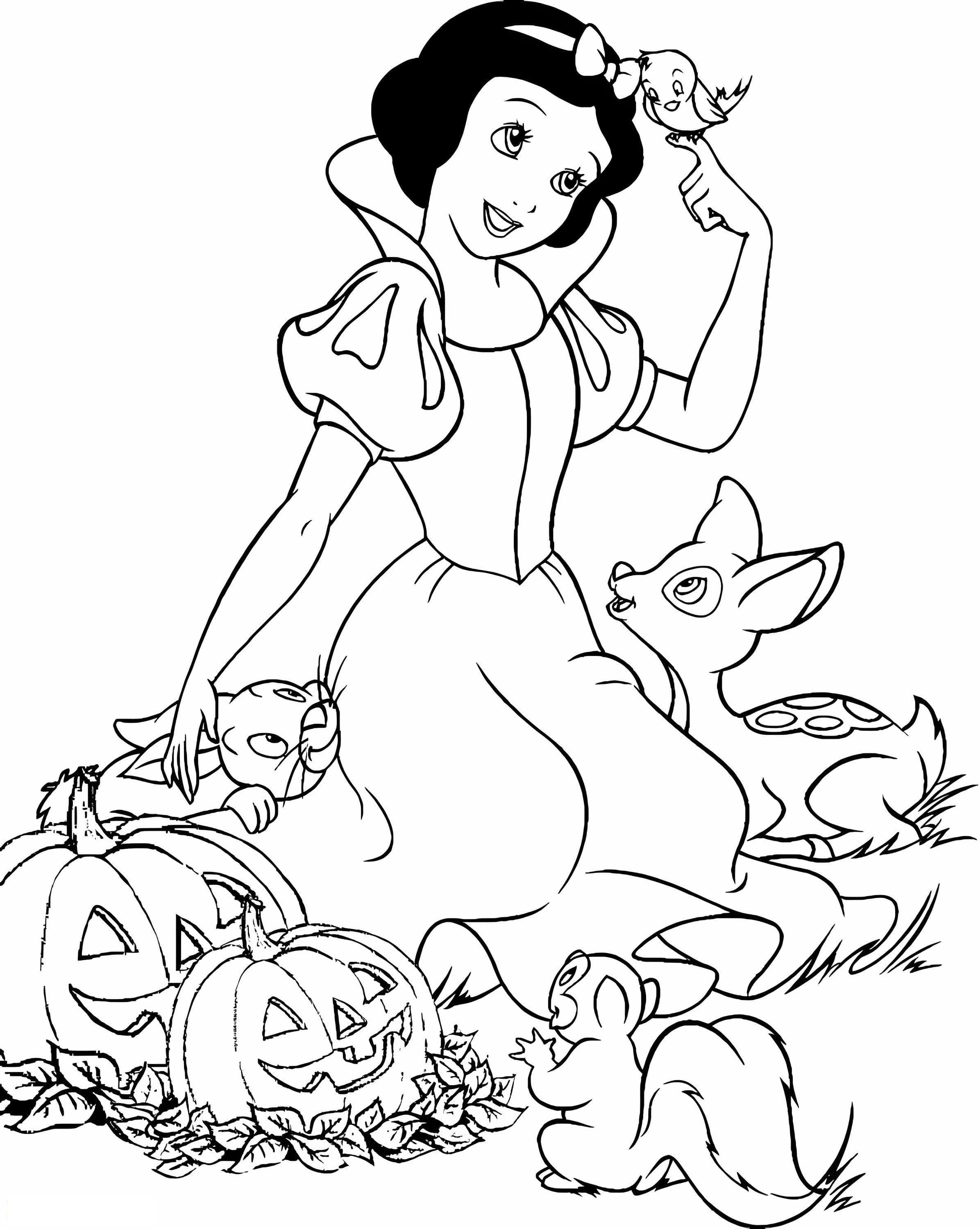
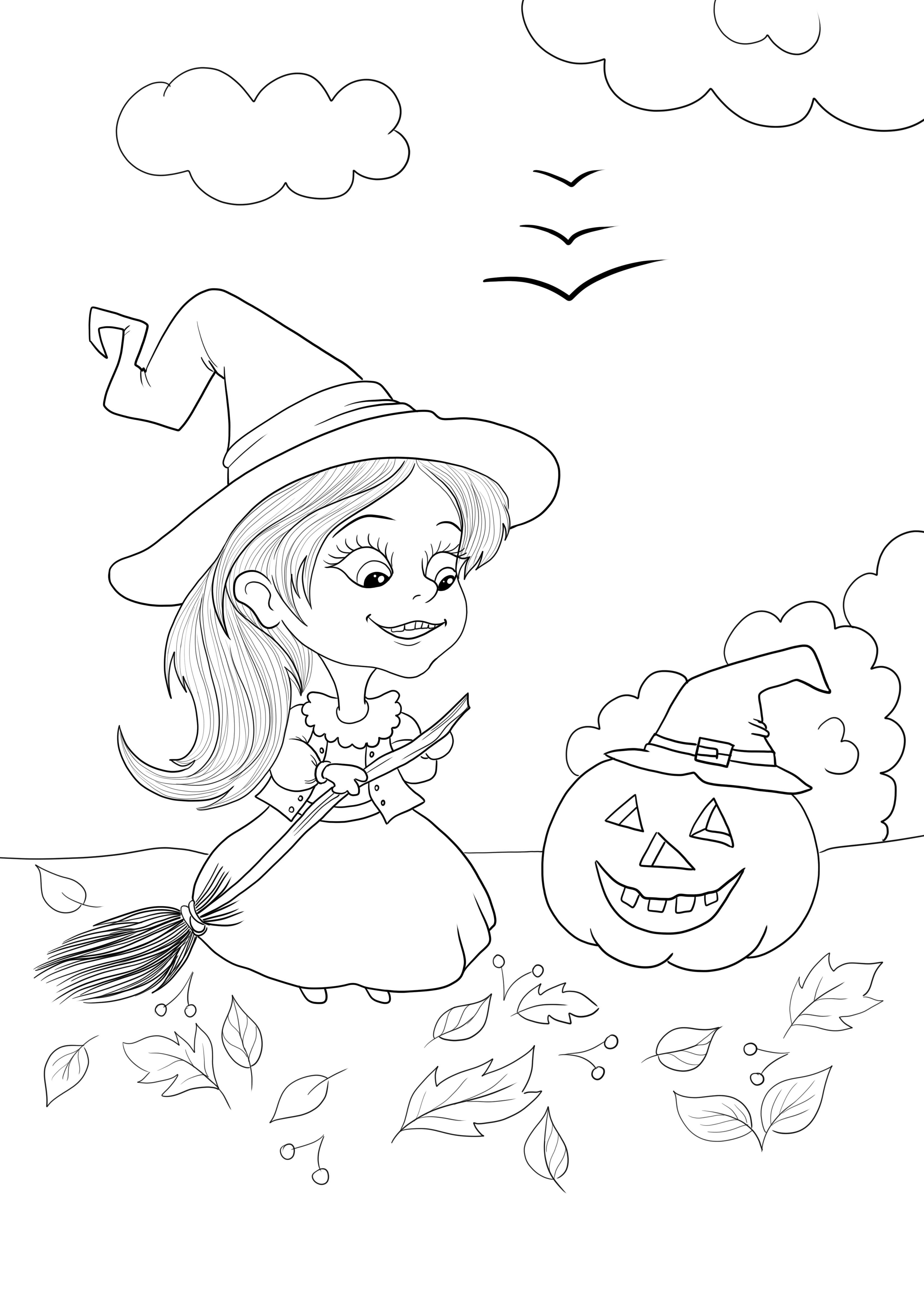
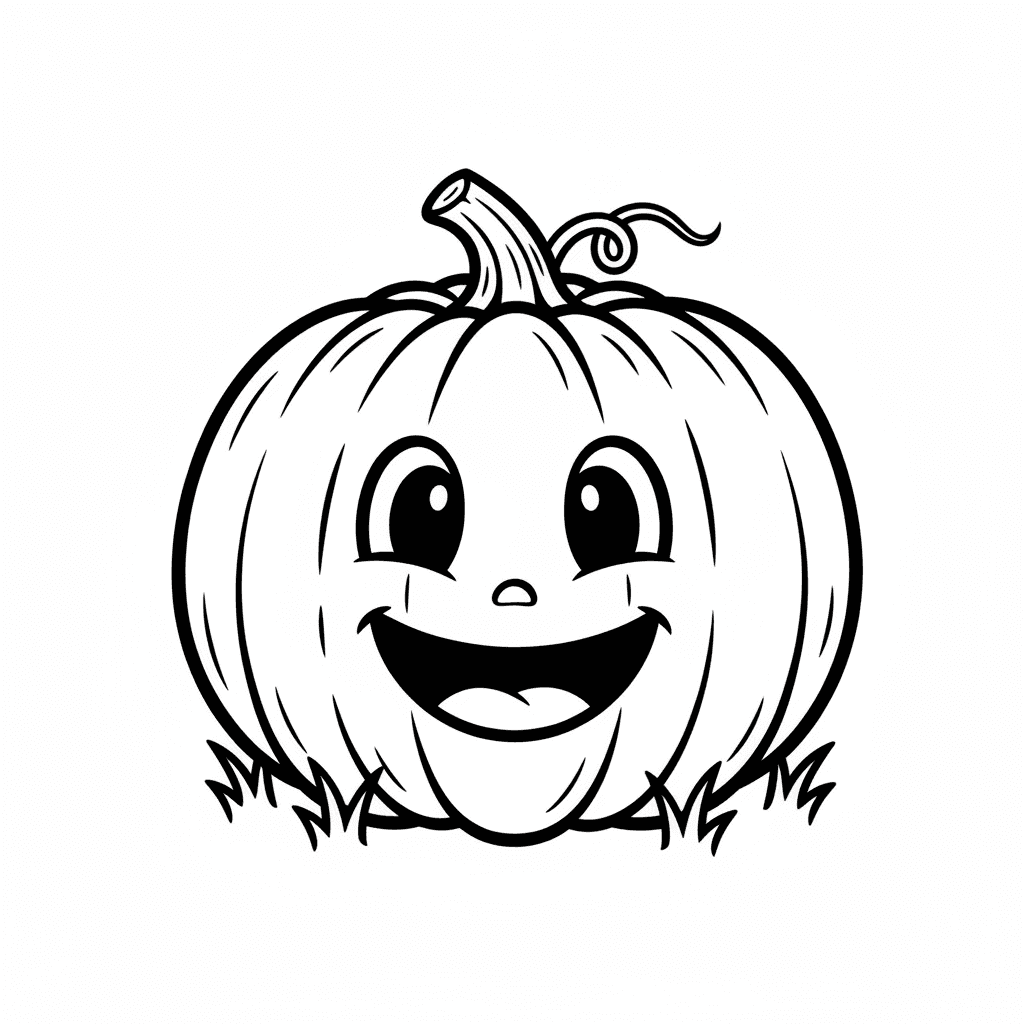
Round faces, big eyes, and pumpkins sharing the sheet with a cat, a bat or a fairy. The safe pick for a child who scares easily.
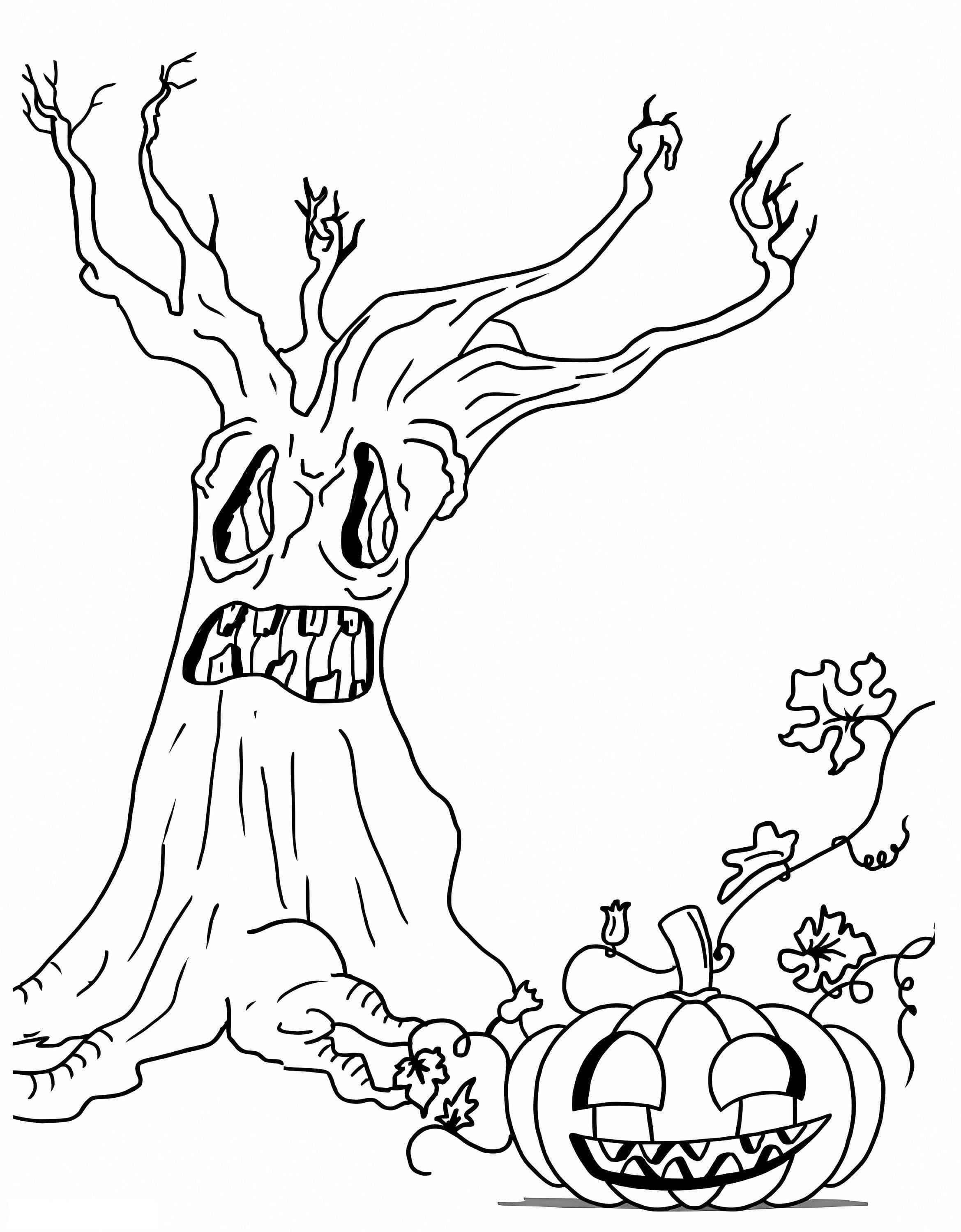
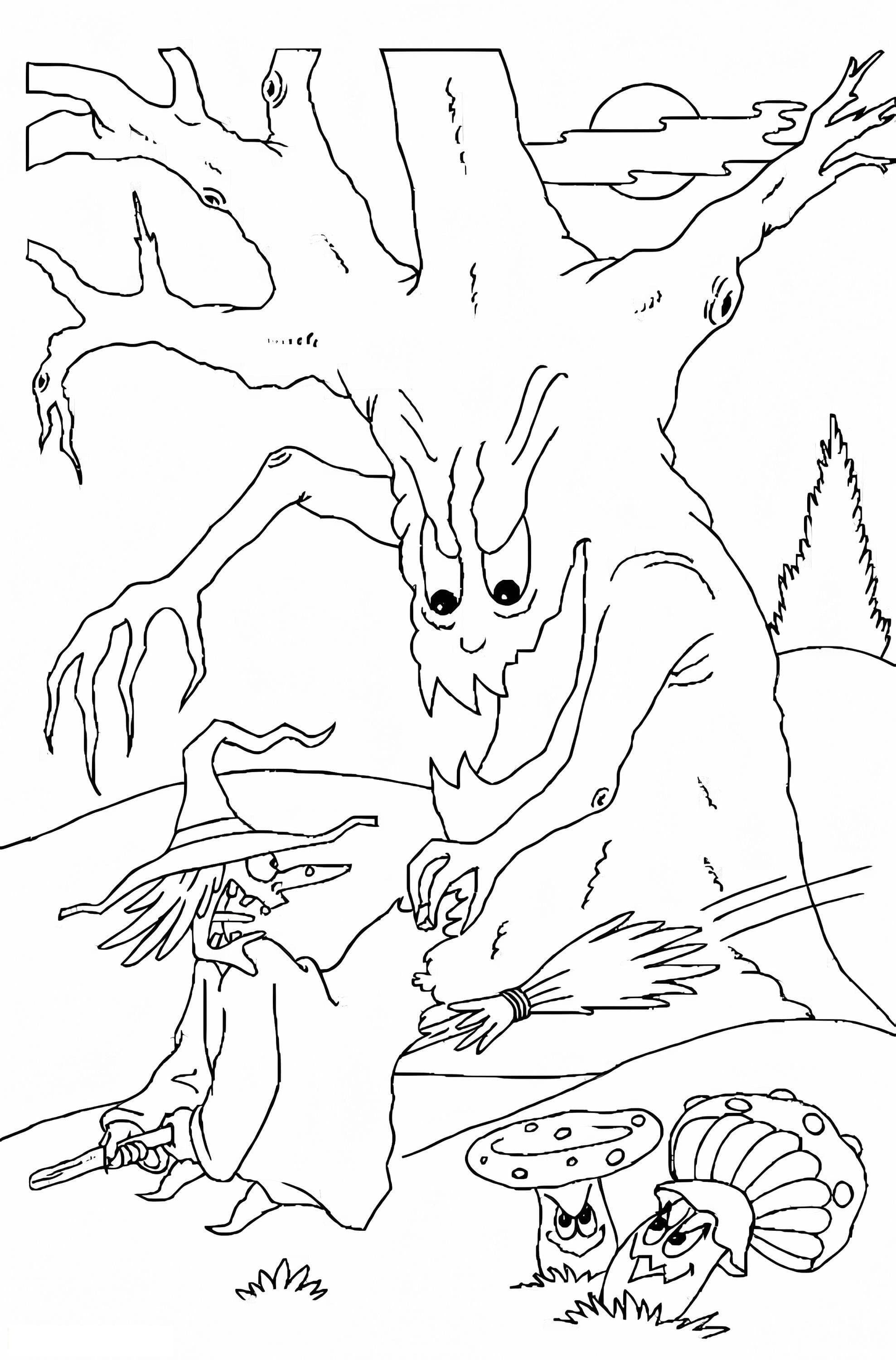
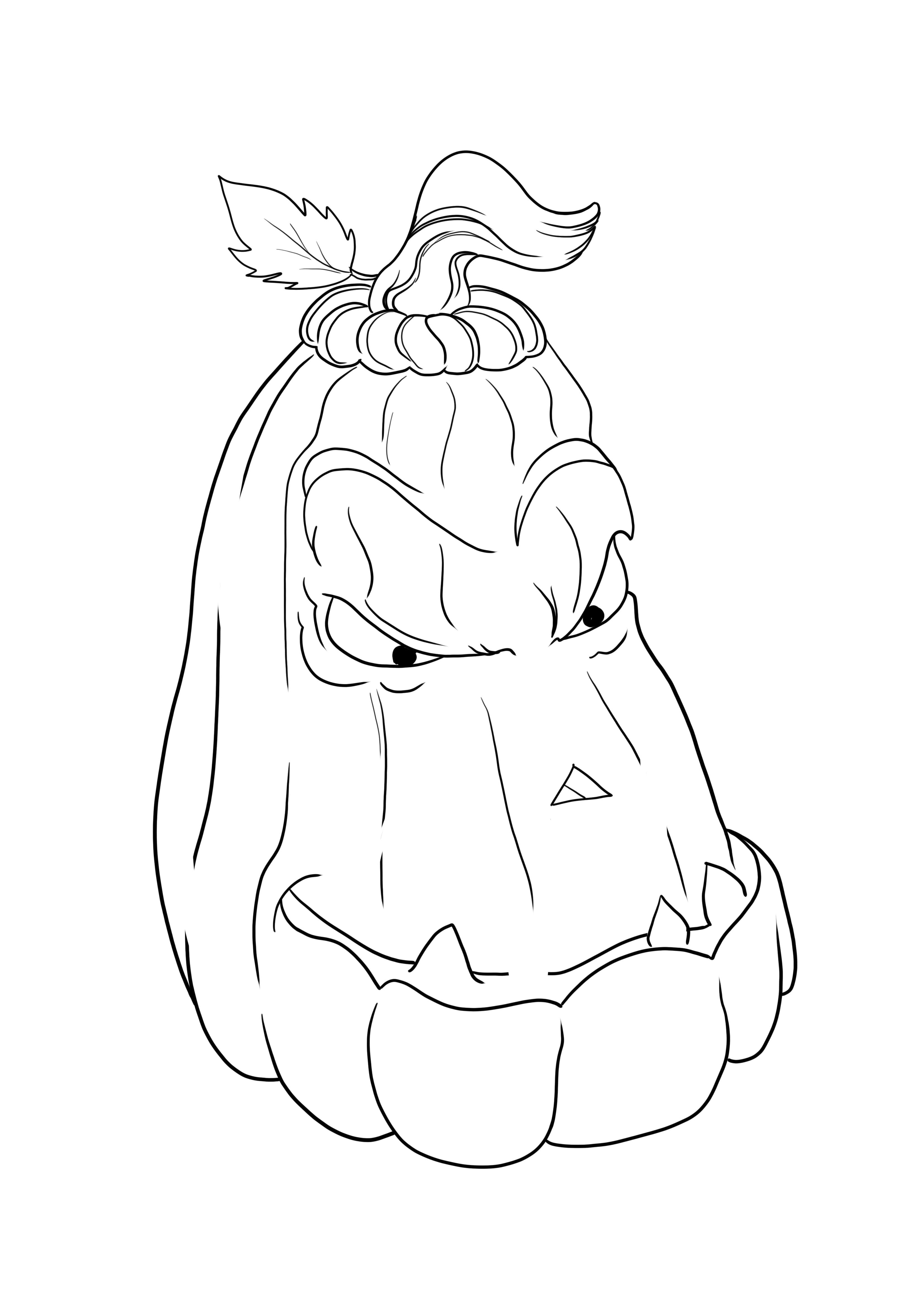
Sharper teeth, heavier shadow and pumpkins in creepy company. For older kids and up — check one before handing it to a nervous five-year-old.
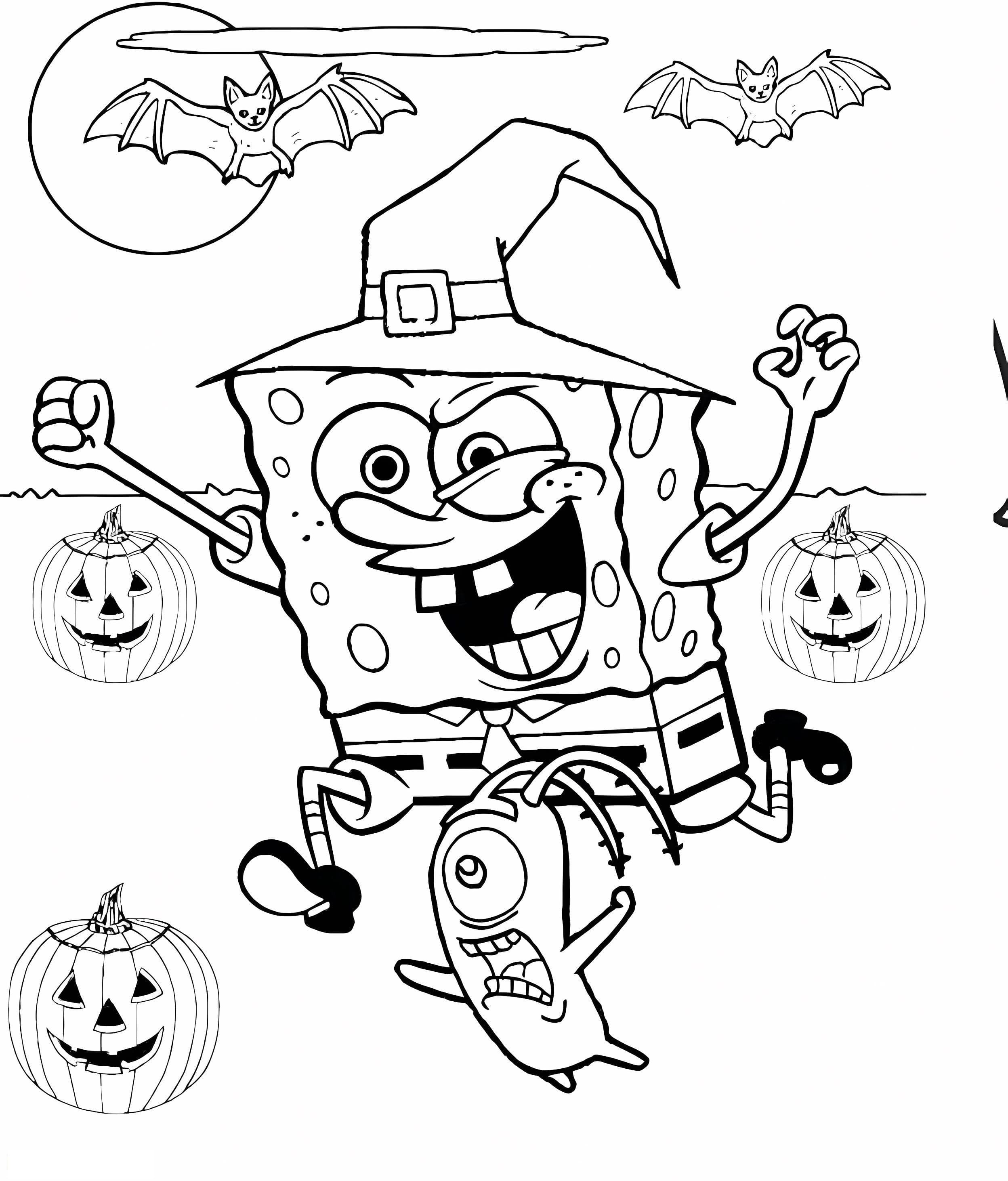
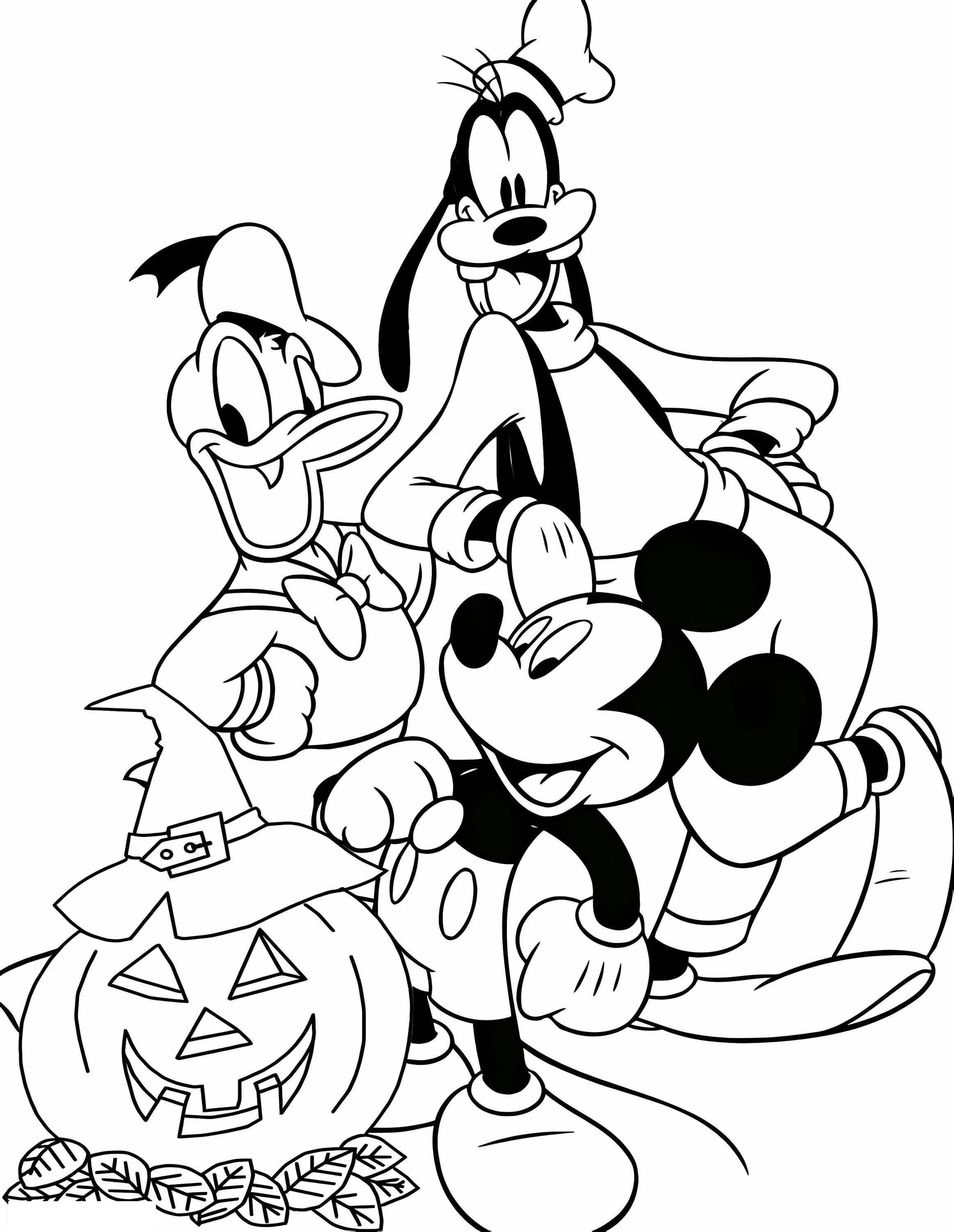
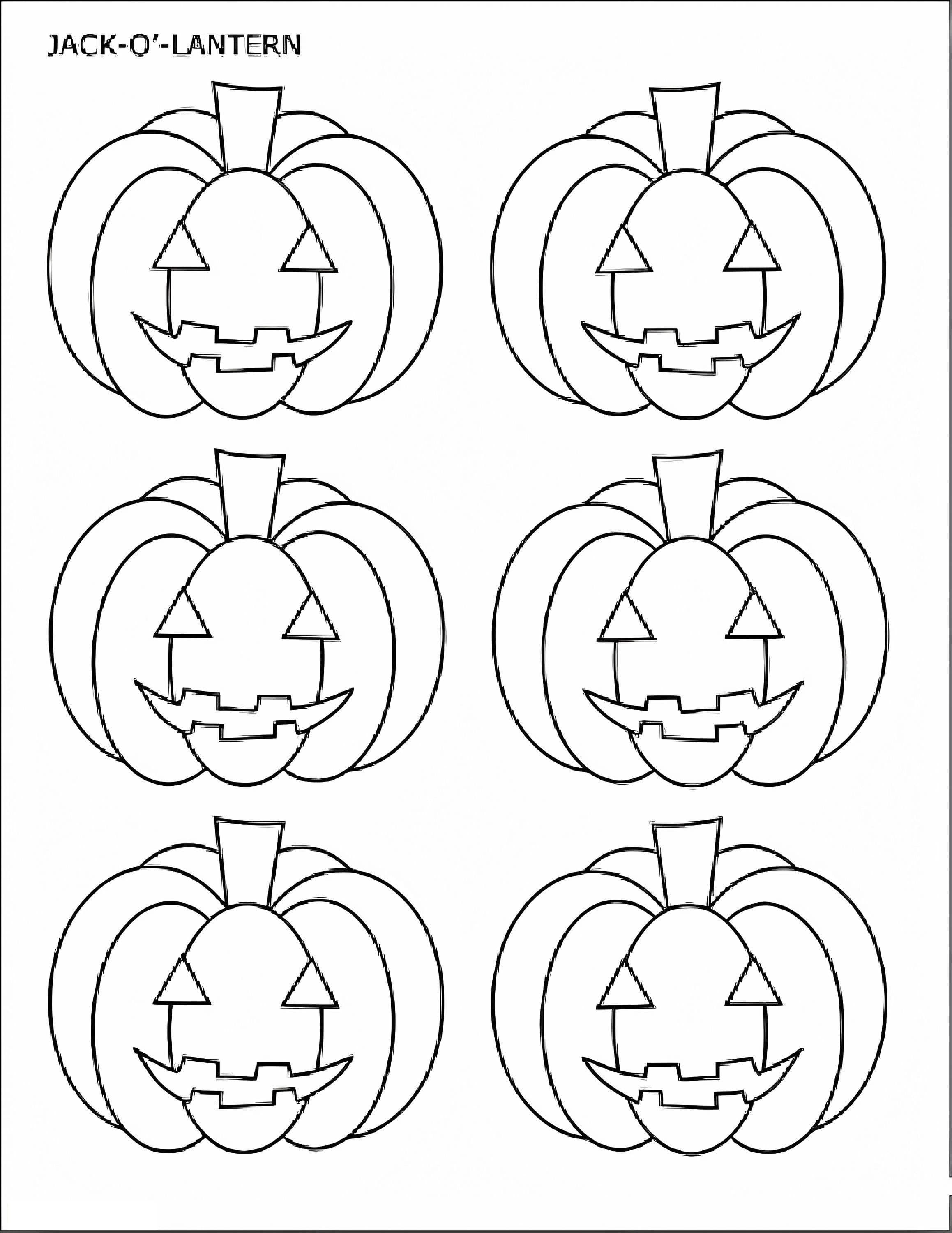
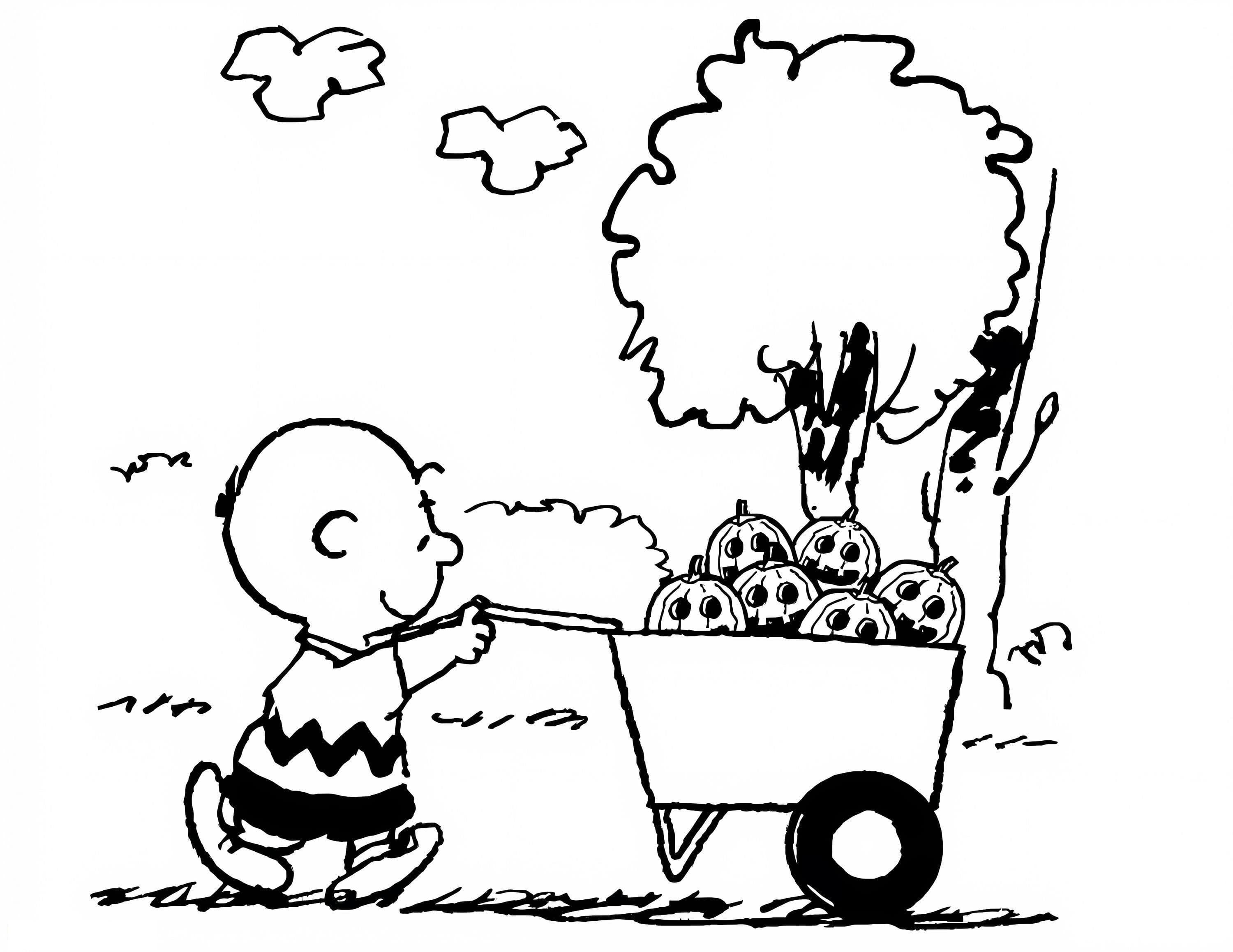
Carved faces with triangle eyes and a cut grin, plus the Halloween scenes a lit pumpkin turns up in. The six-lantern sheet covers a whole group at once.
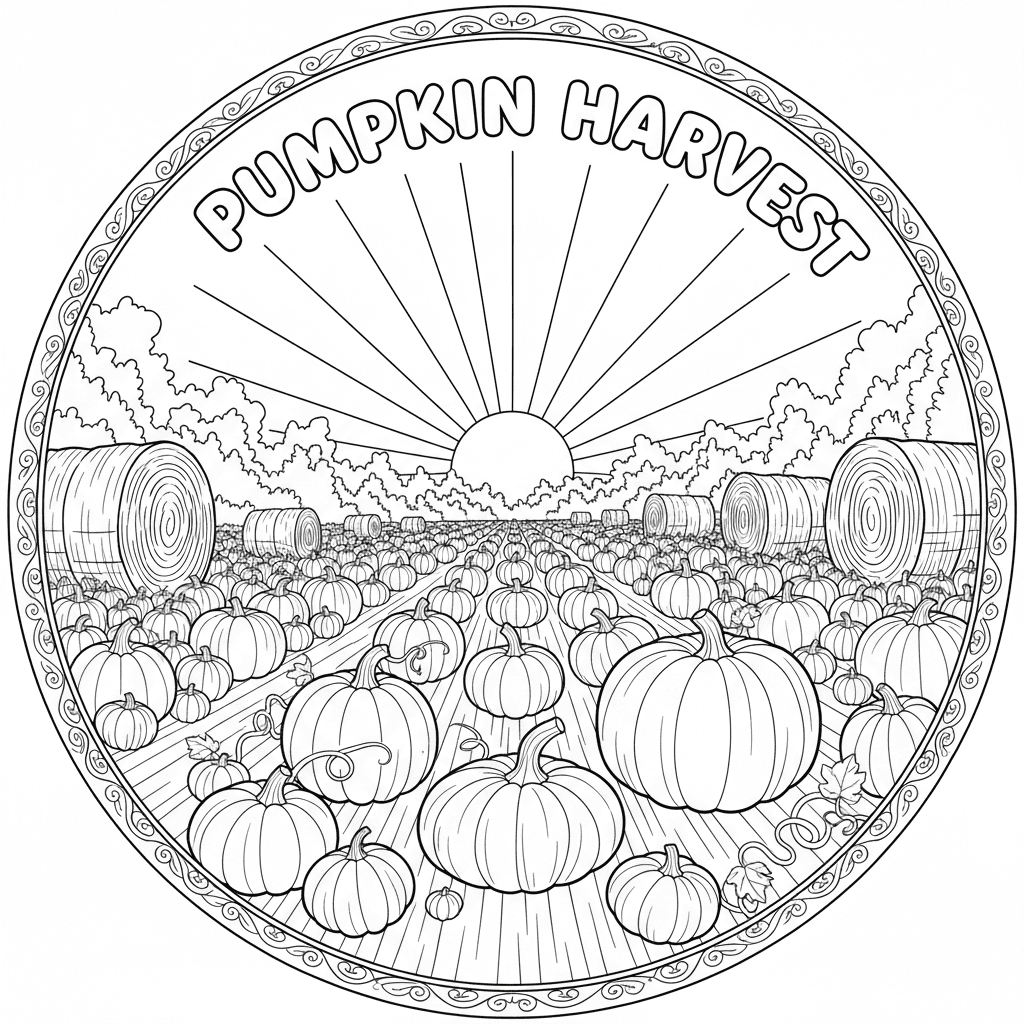
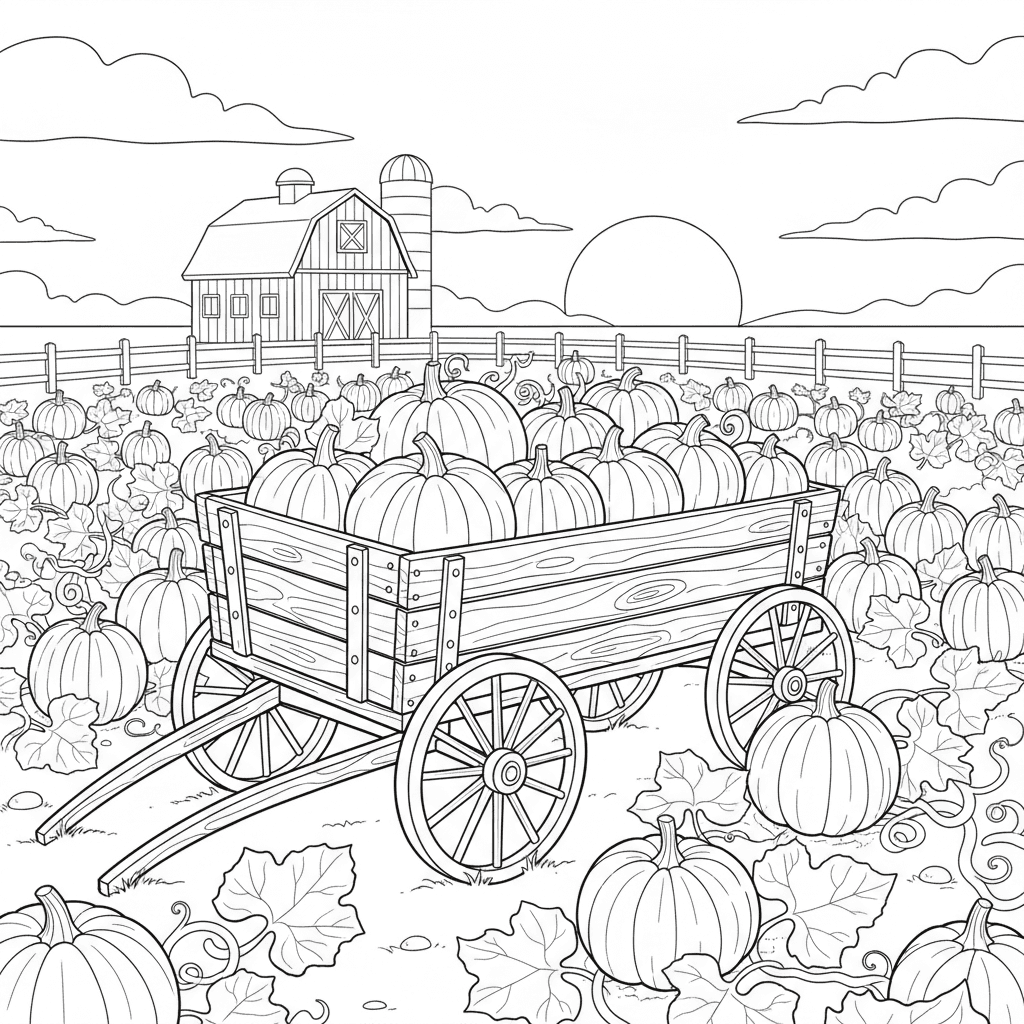
Whole-field scenes: rows of pumpkins, a wagon and a horizon behind them. Worth twenty minutes and colored pencils rather than a quick pass with markers.
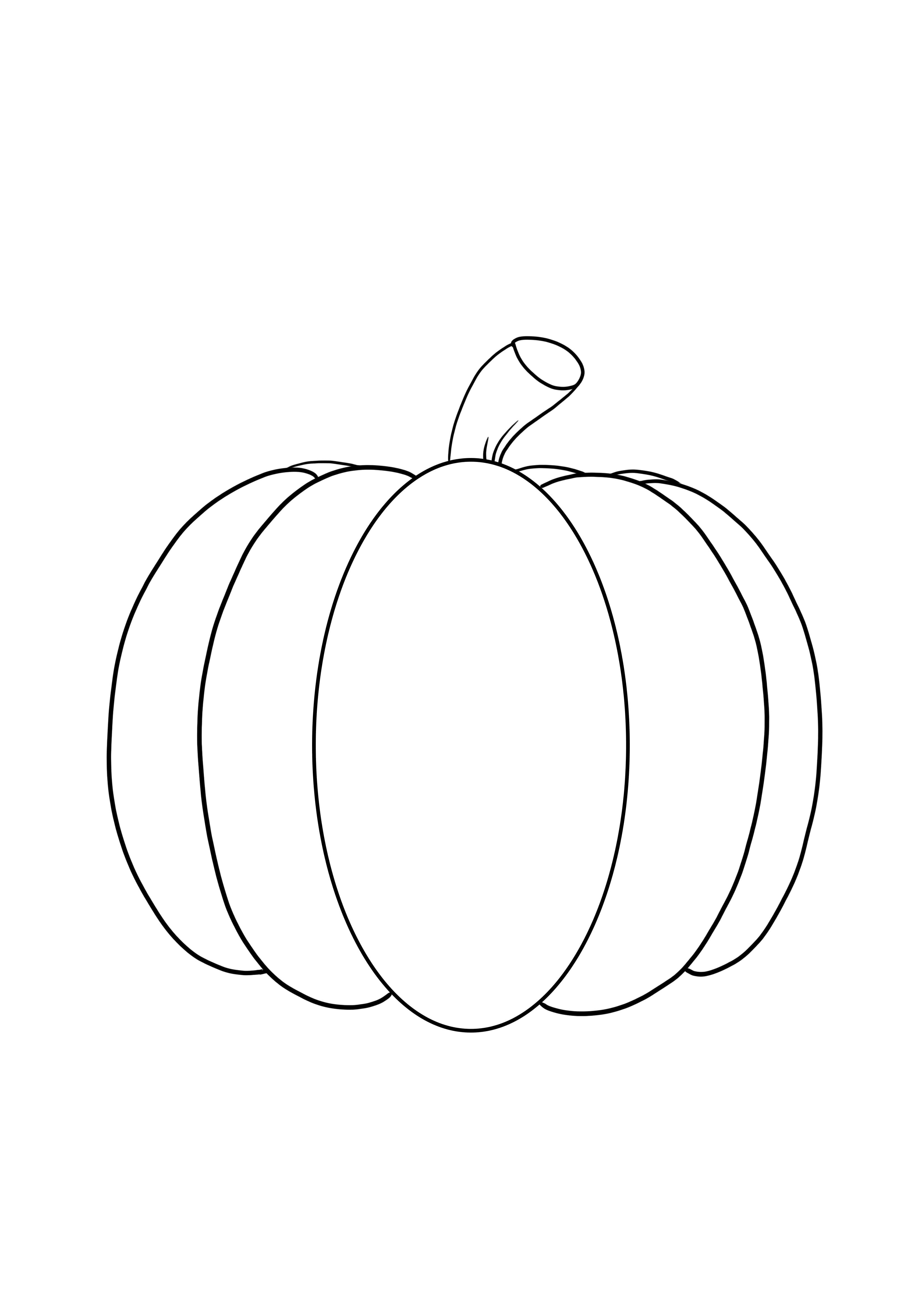
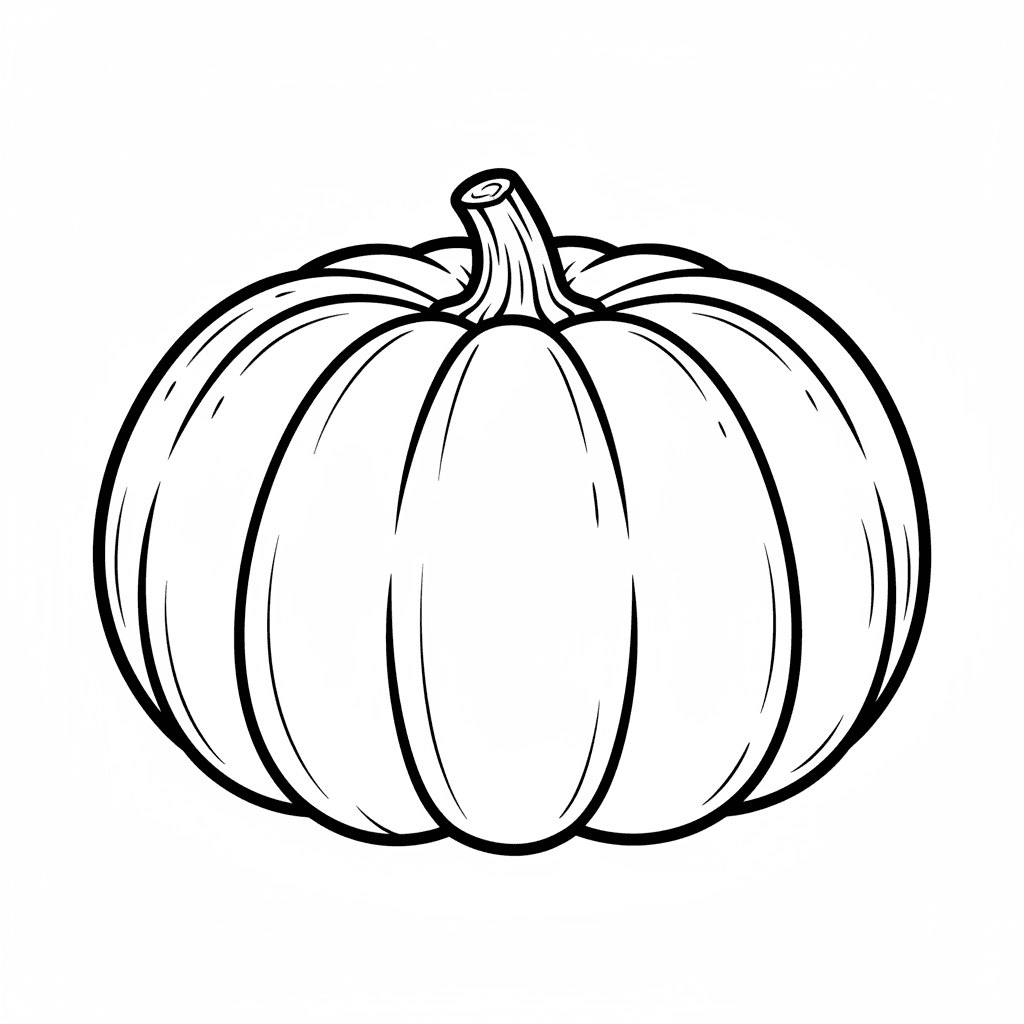
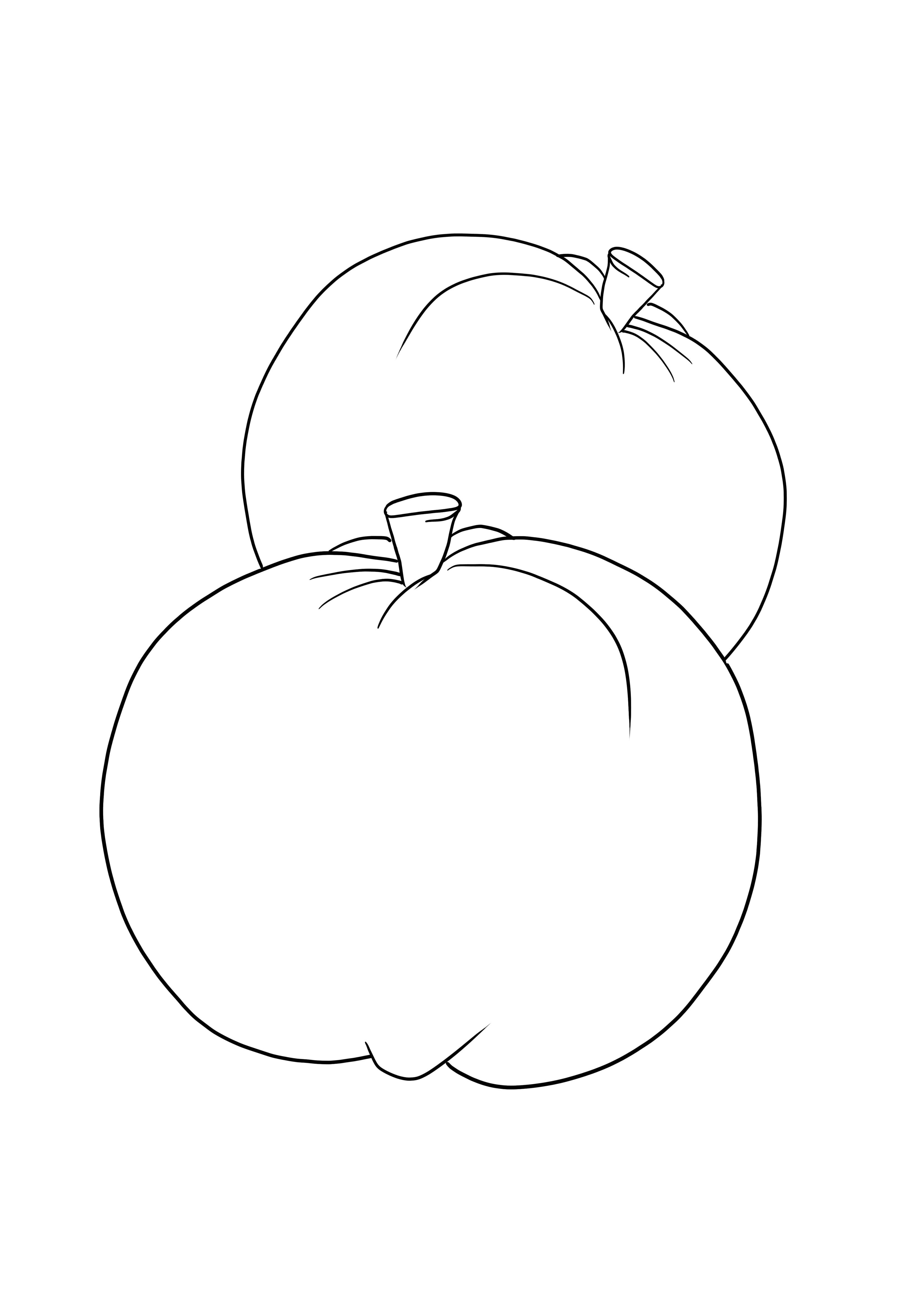
Faceless shapes with nothing inside them. Use one to plan a carving, try a palette, or make a place card.
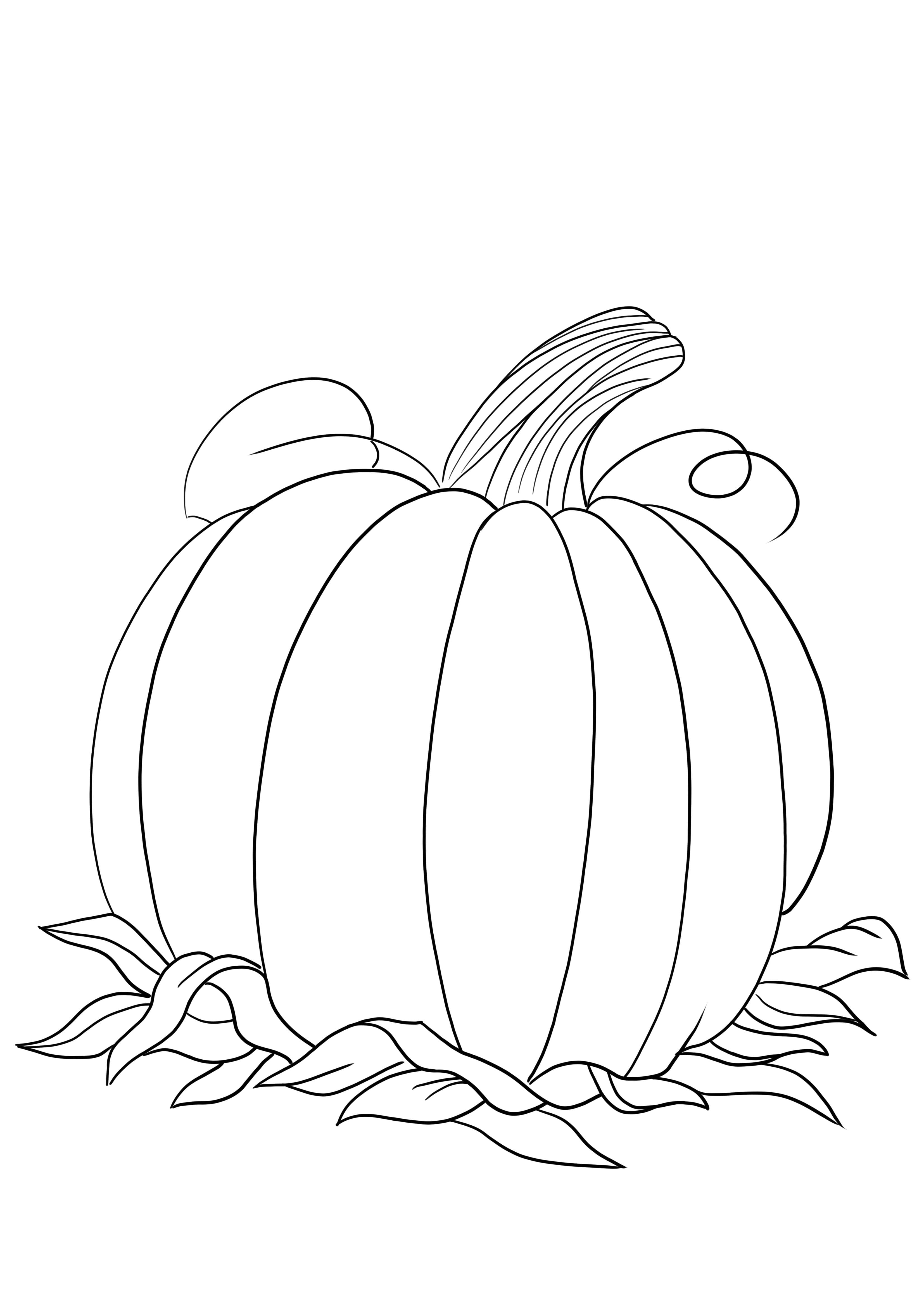
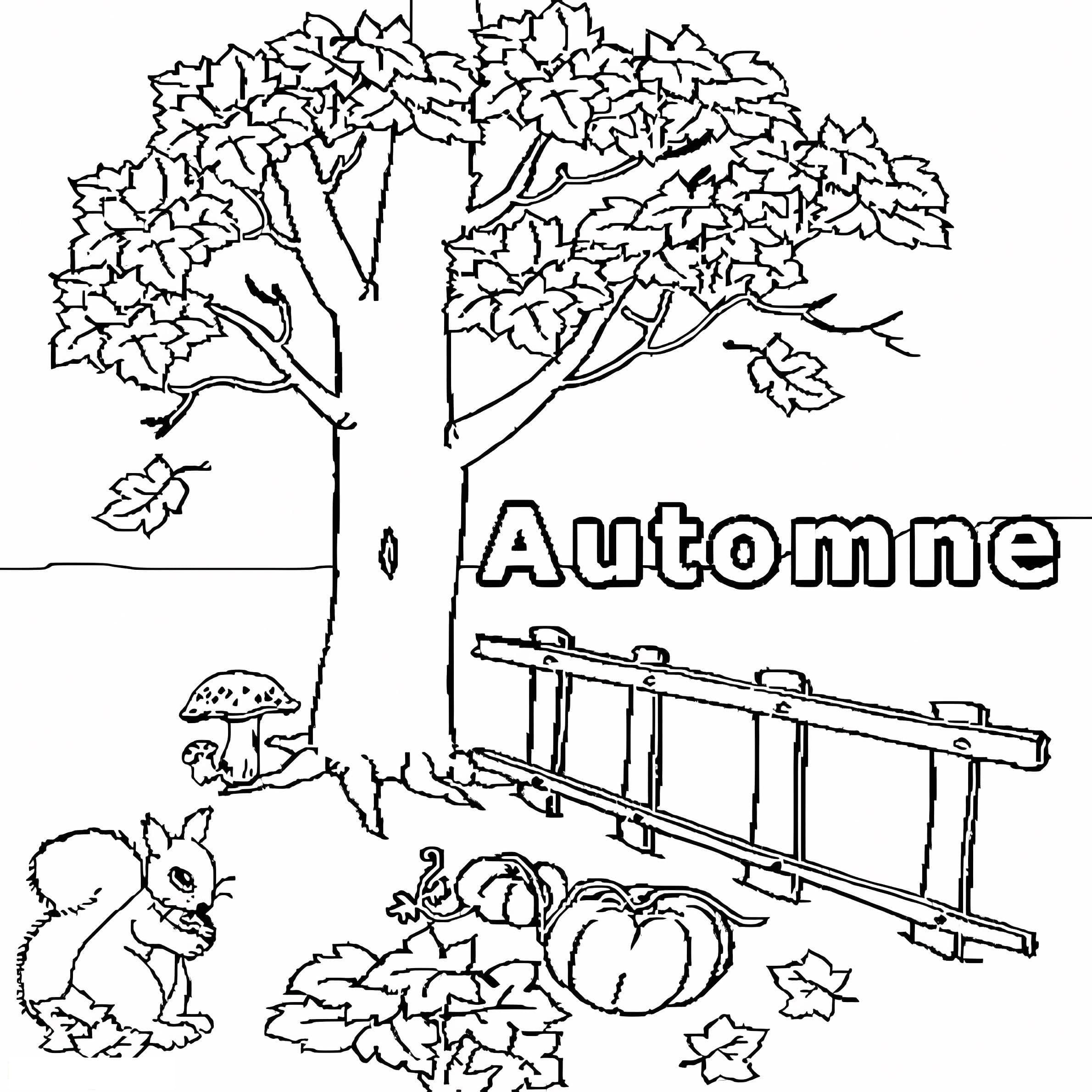
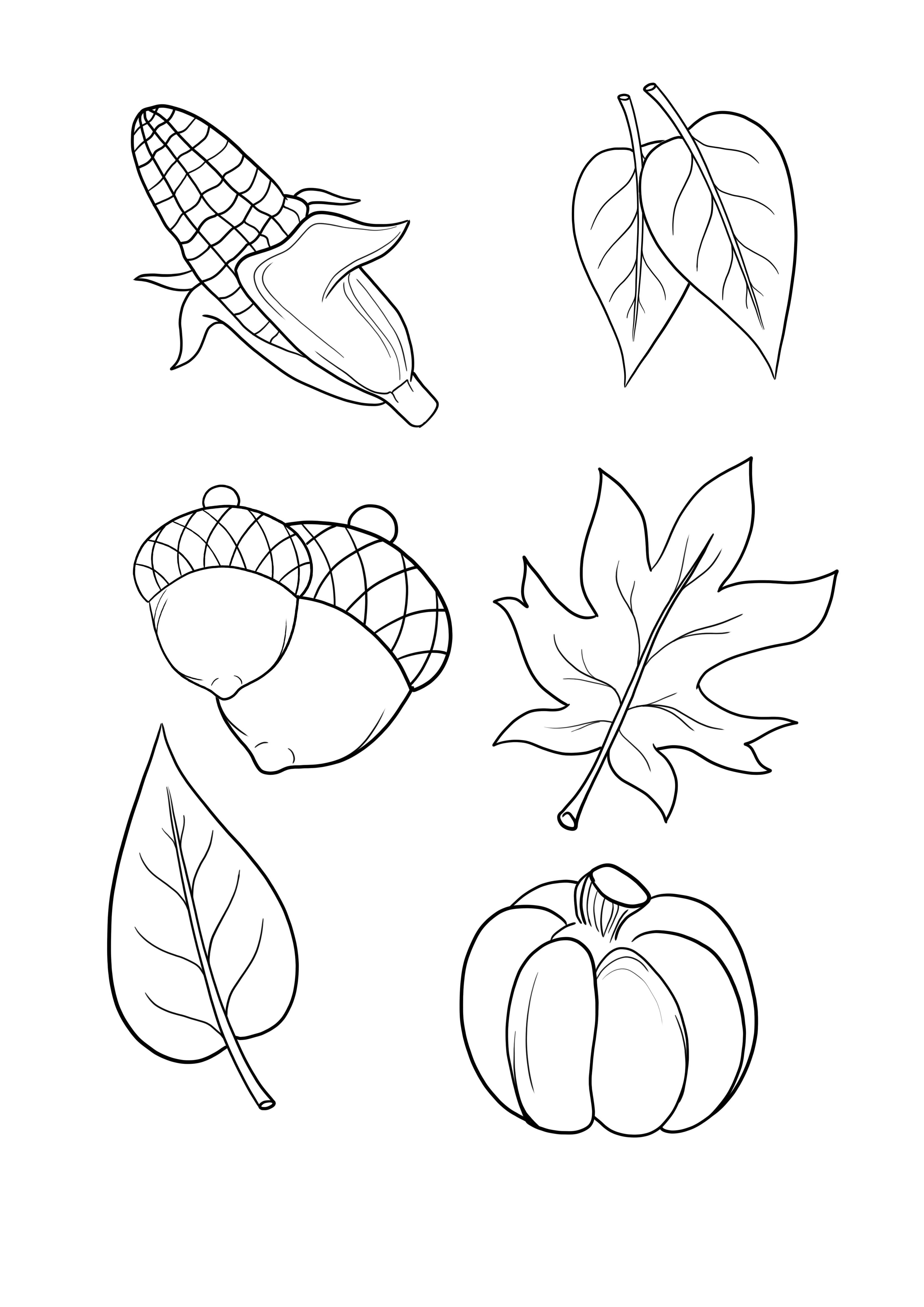
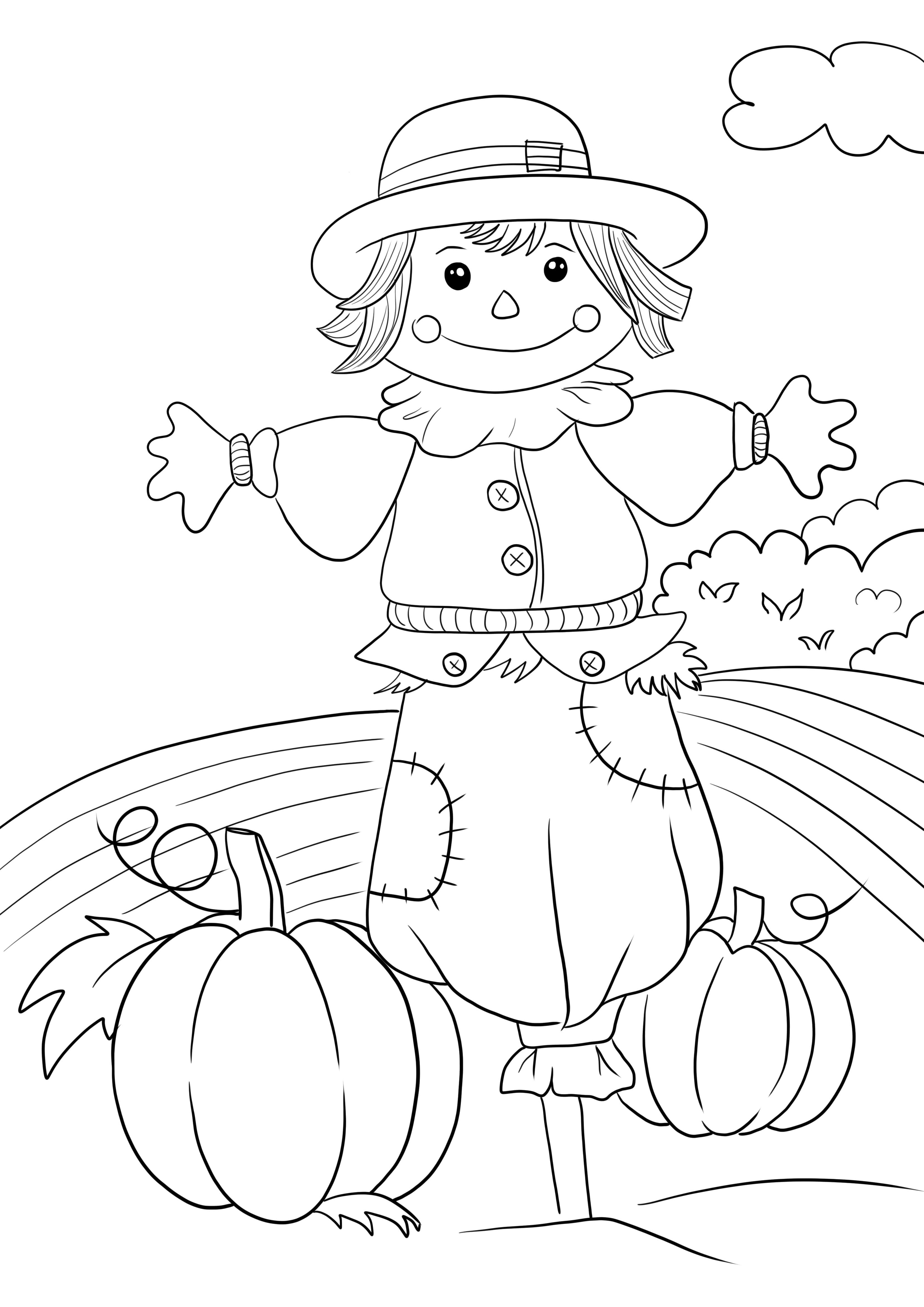
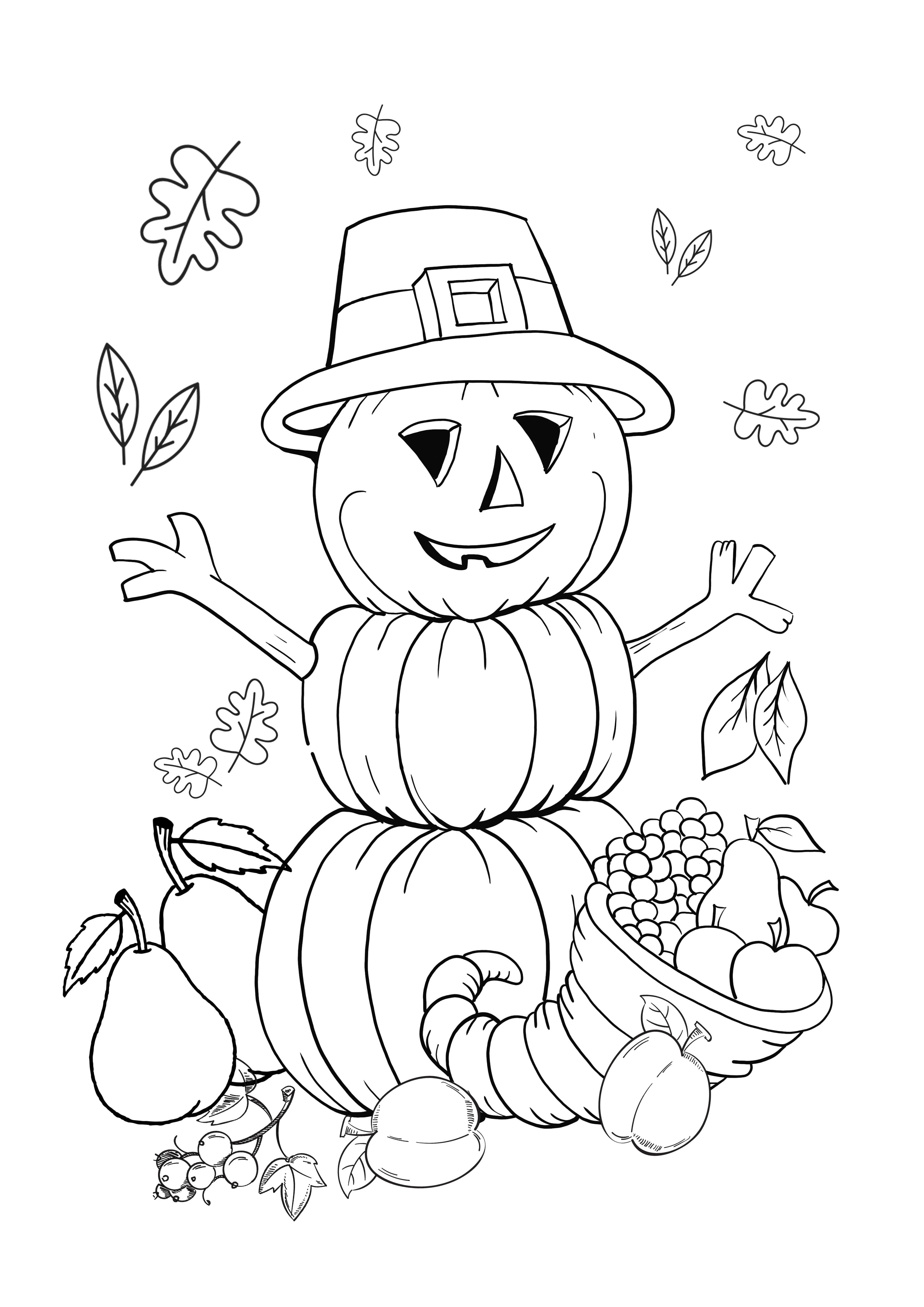
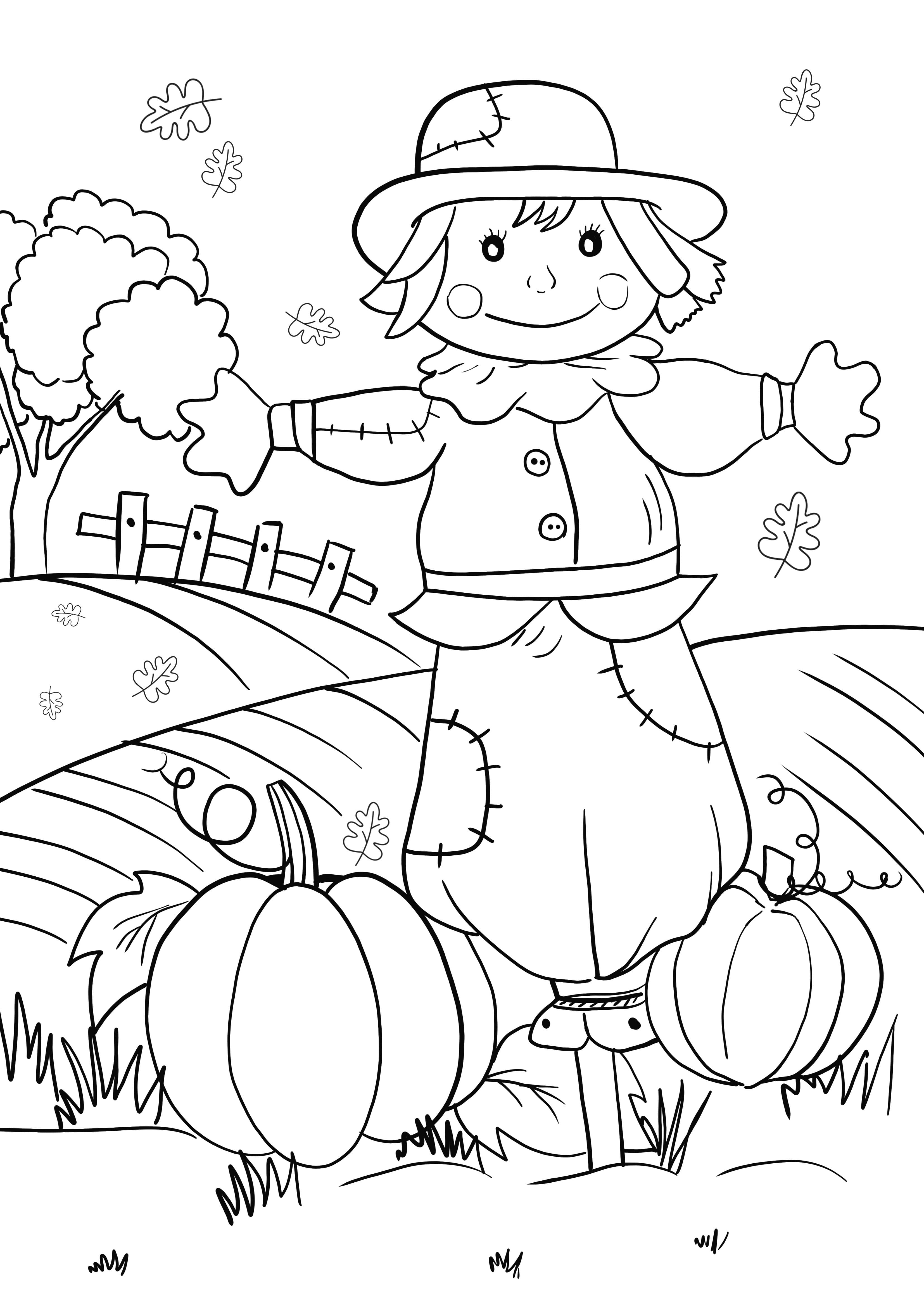
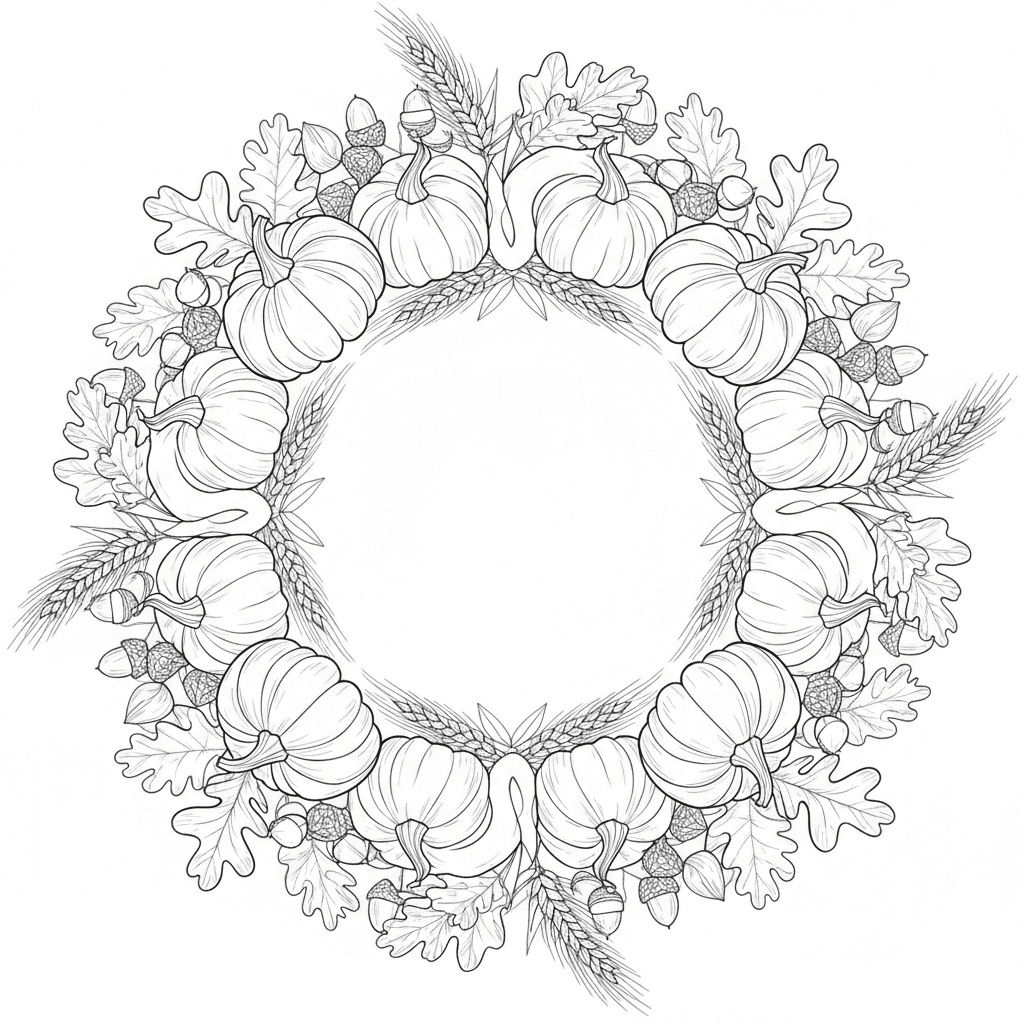
Pumpkins among leaves, acorns and scarecrows. These work from September onwards and stay usable long after Halloween.
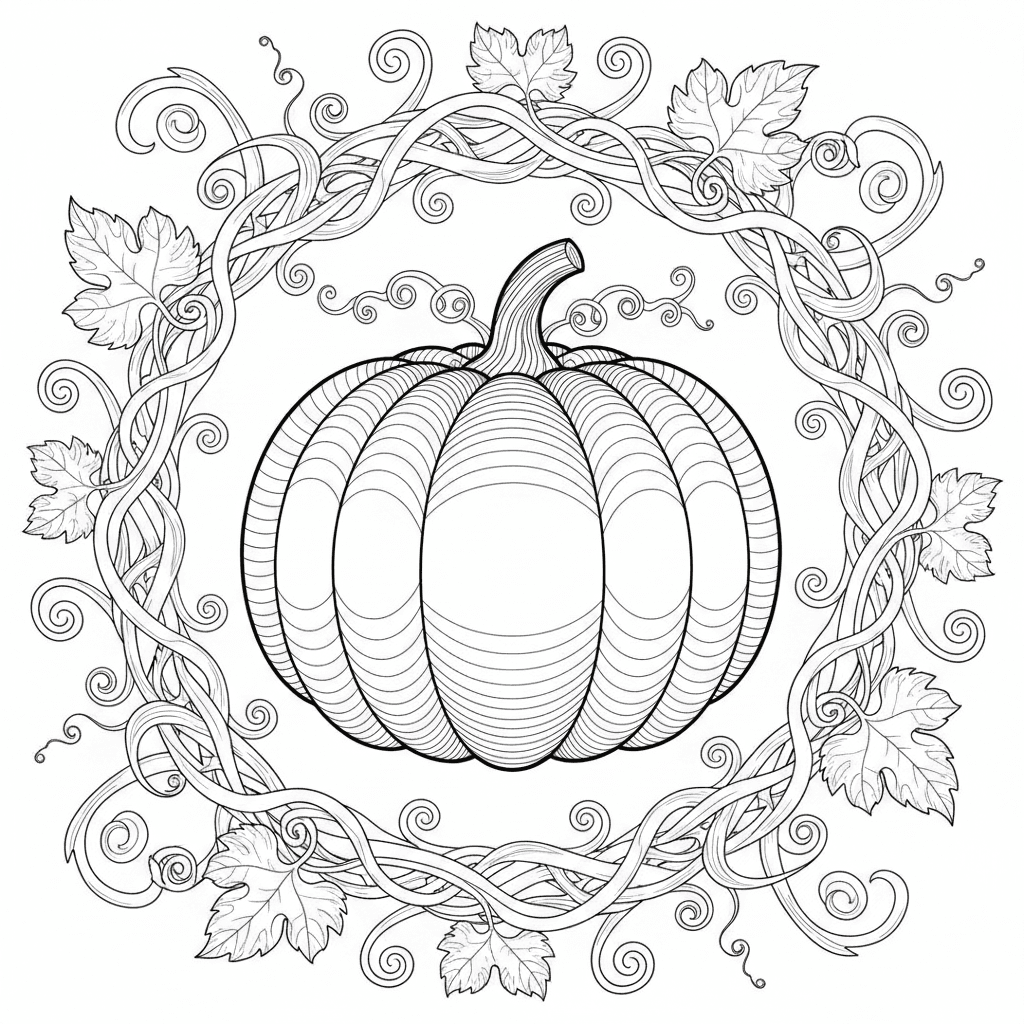
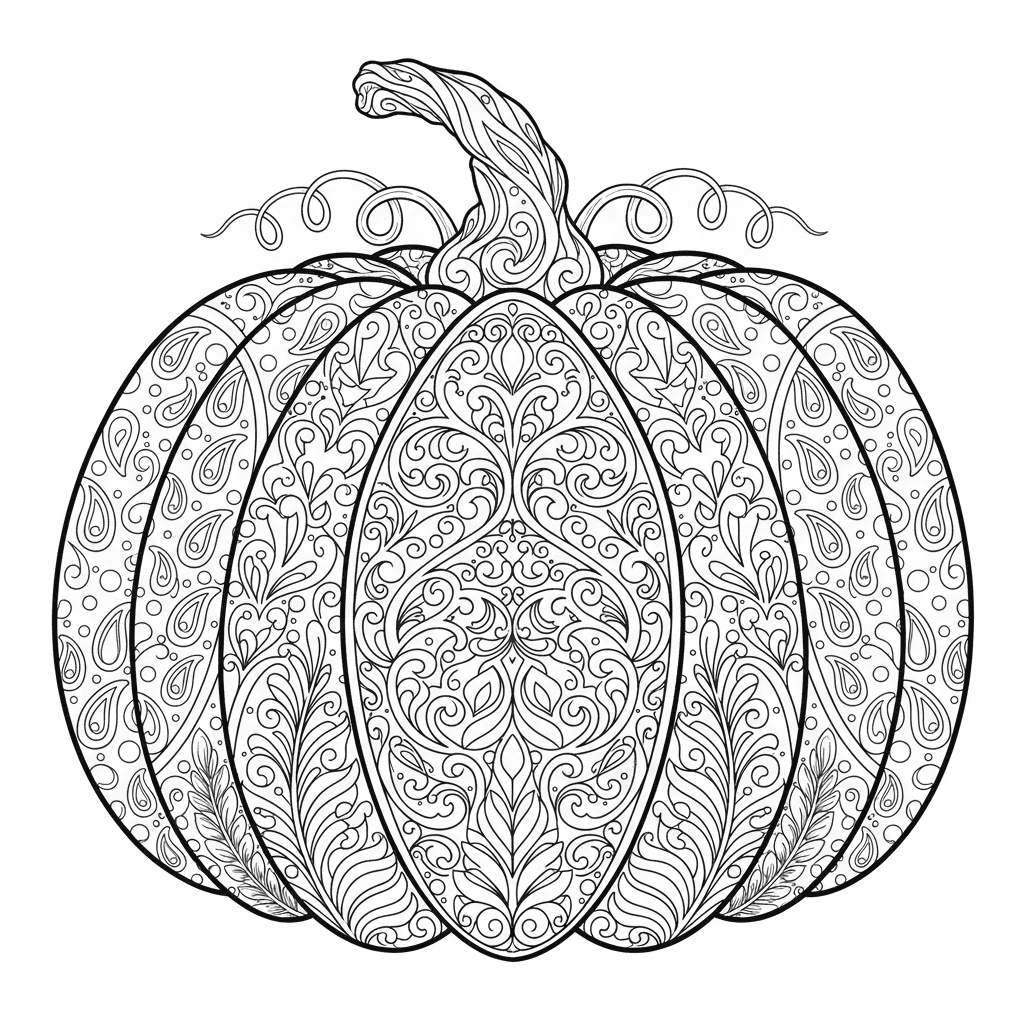
Fine-line work and dense pattern fills, built for 0.5 mm fineliners rather than markers. Print on heavier paper so the tips do not catch.
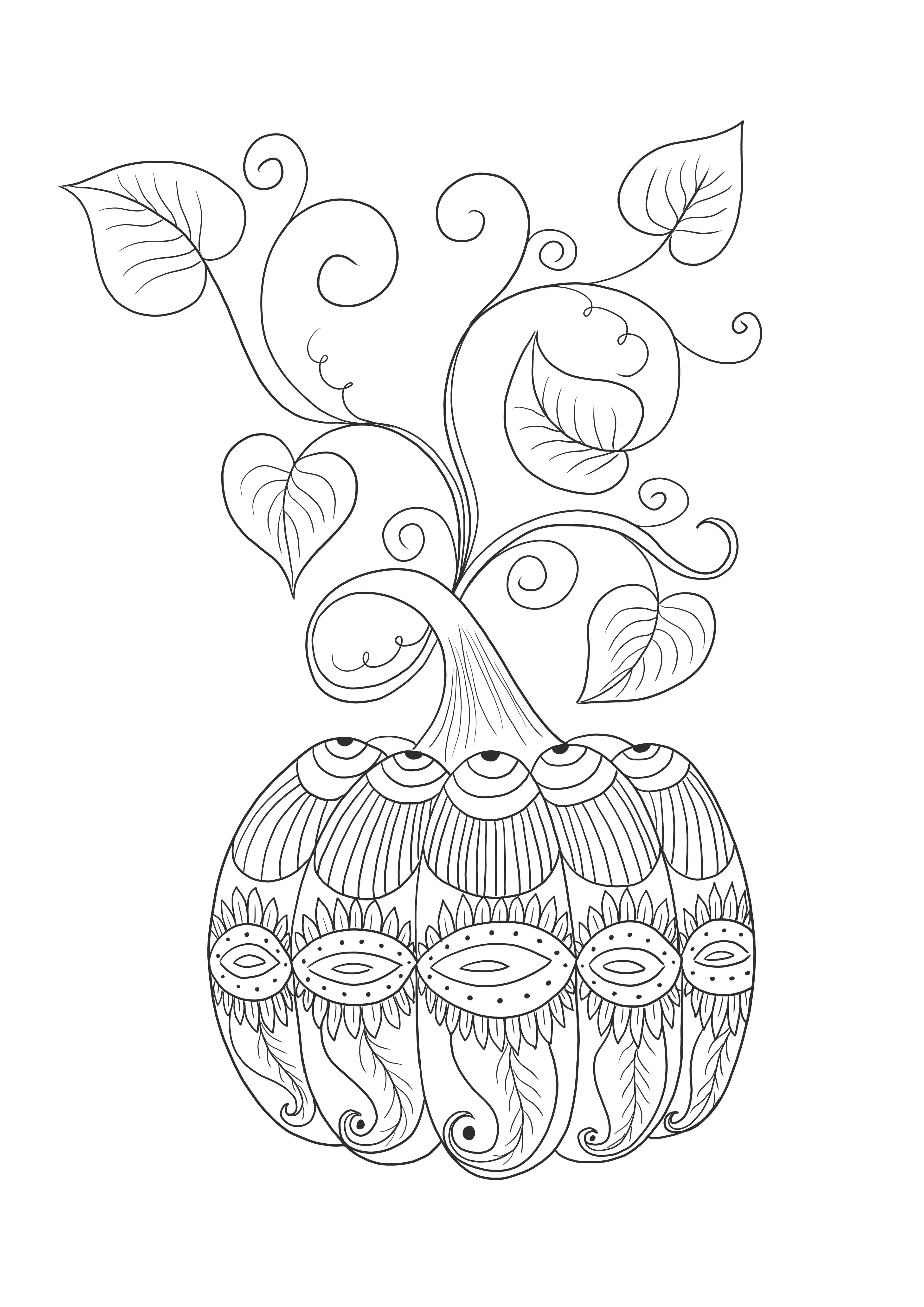
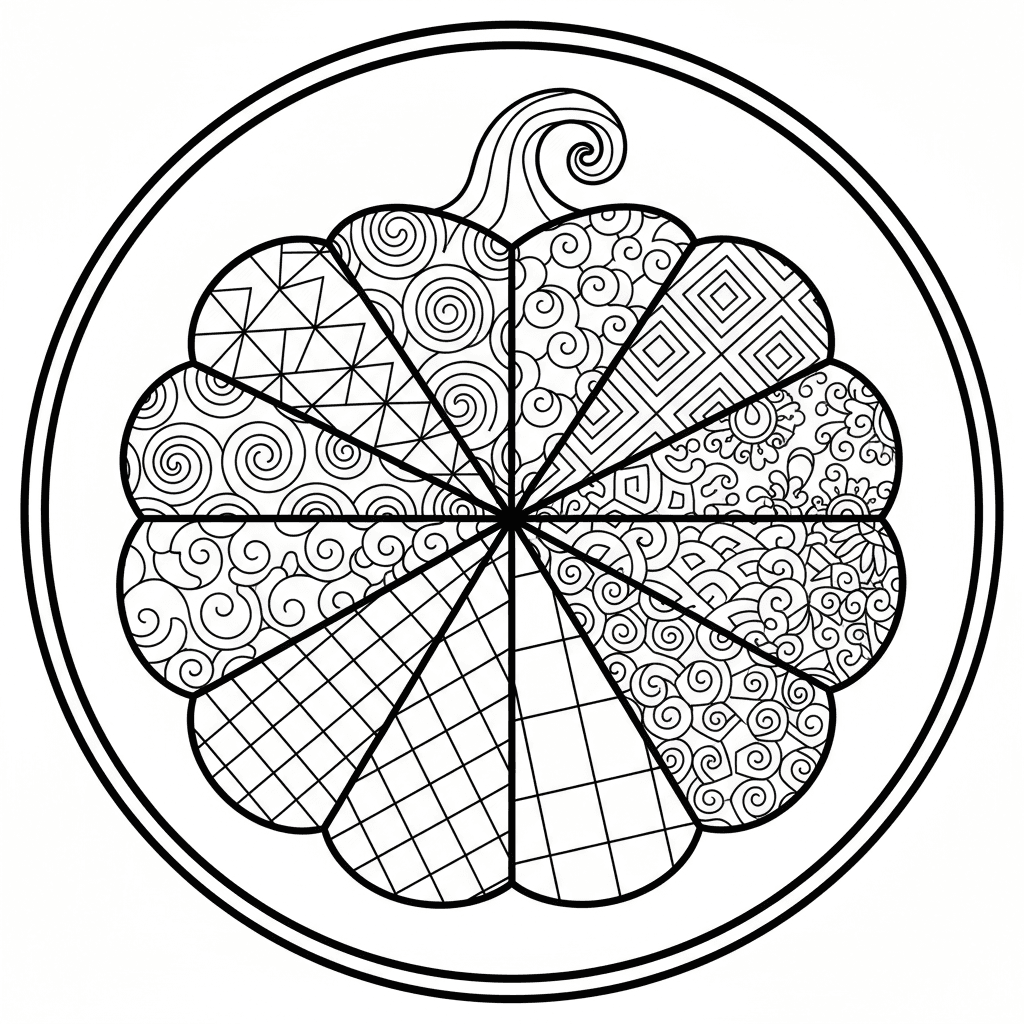
Pumpkins built from repeating segments, petals and scrollwork. The appeal is the rhythm of filling them — an hour of quiet work, not ten minutes.
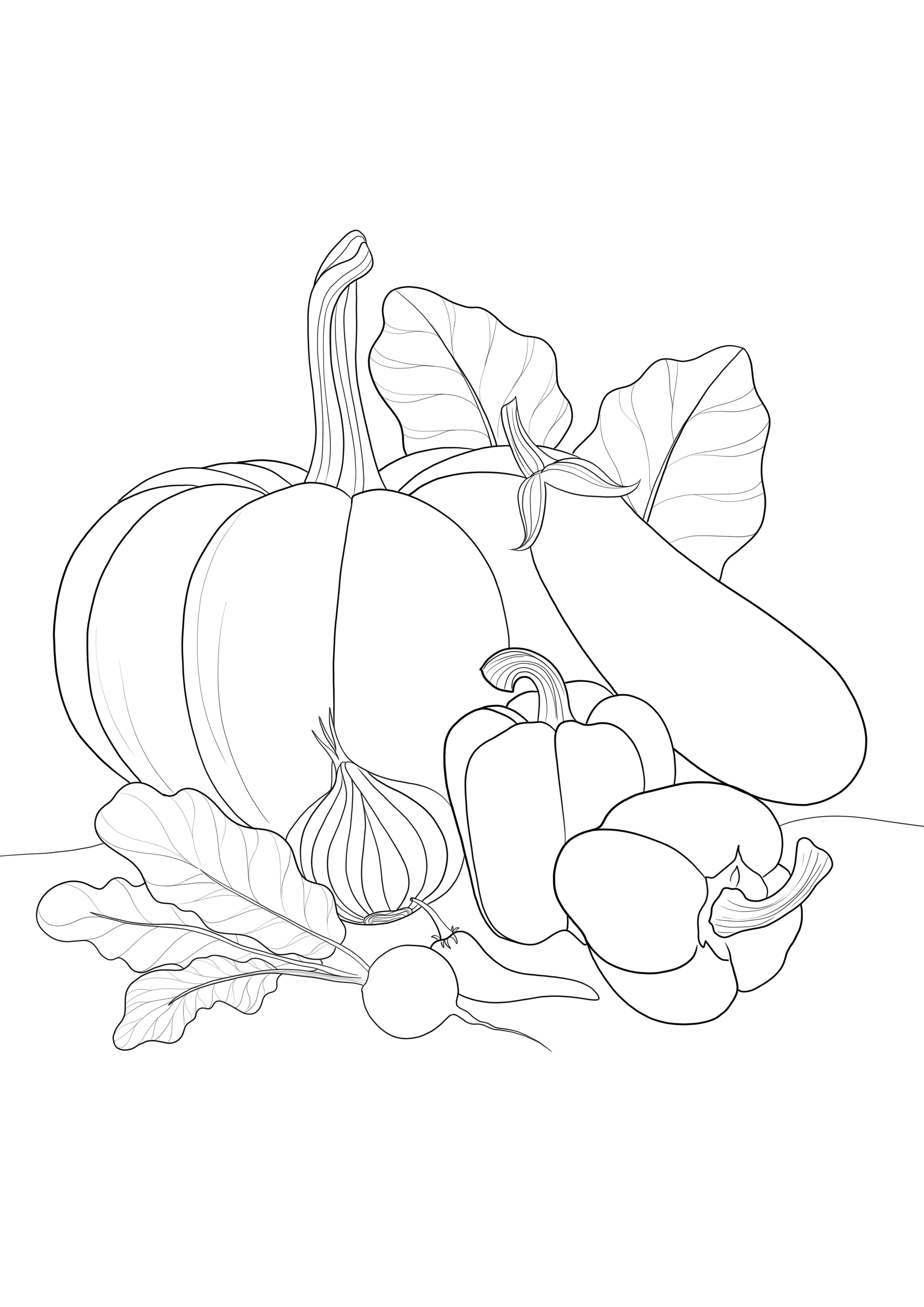
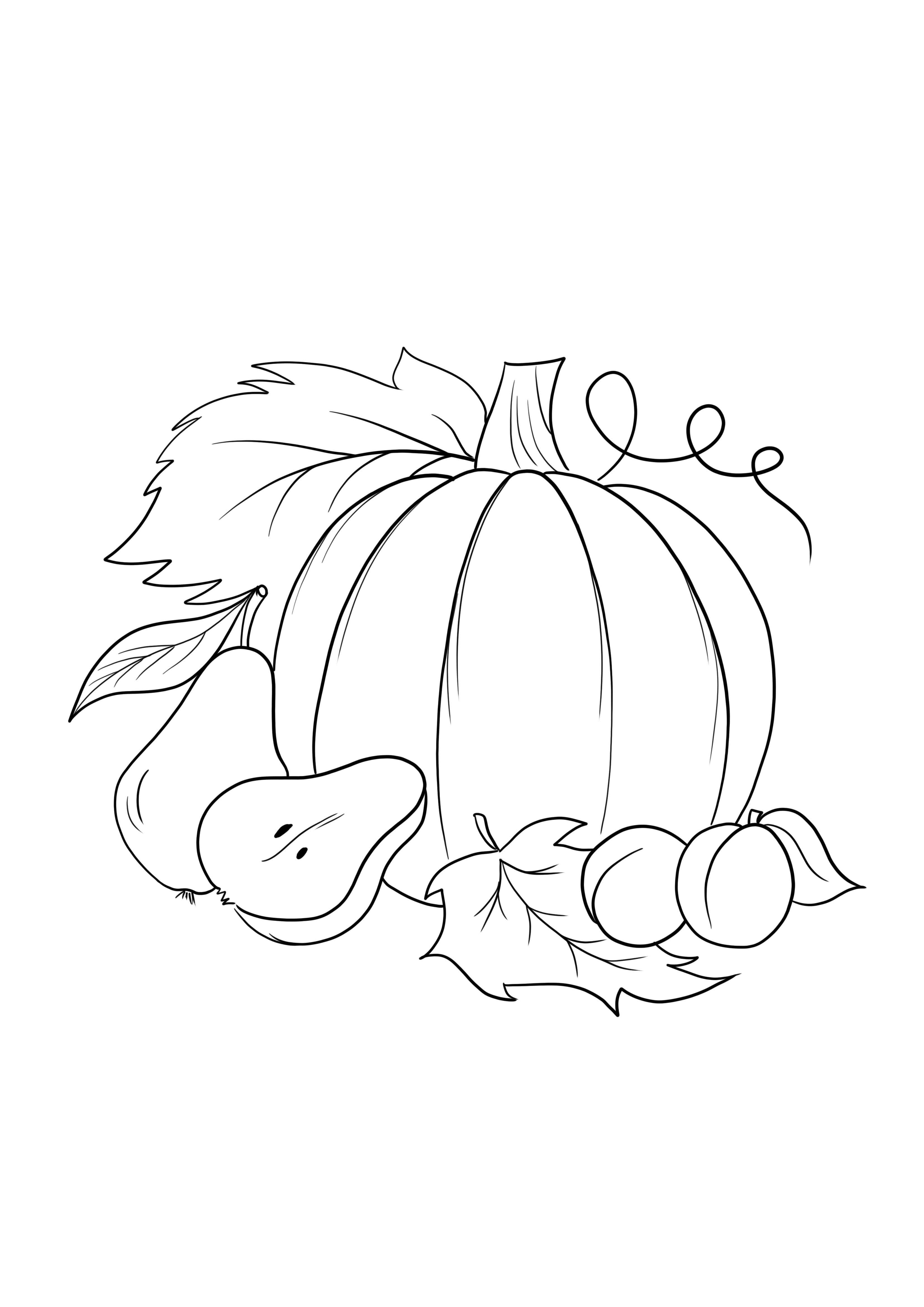
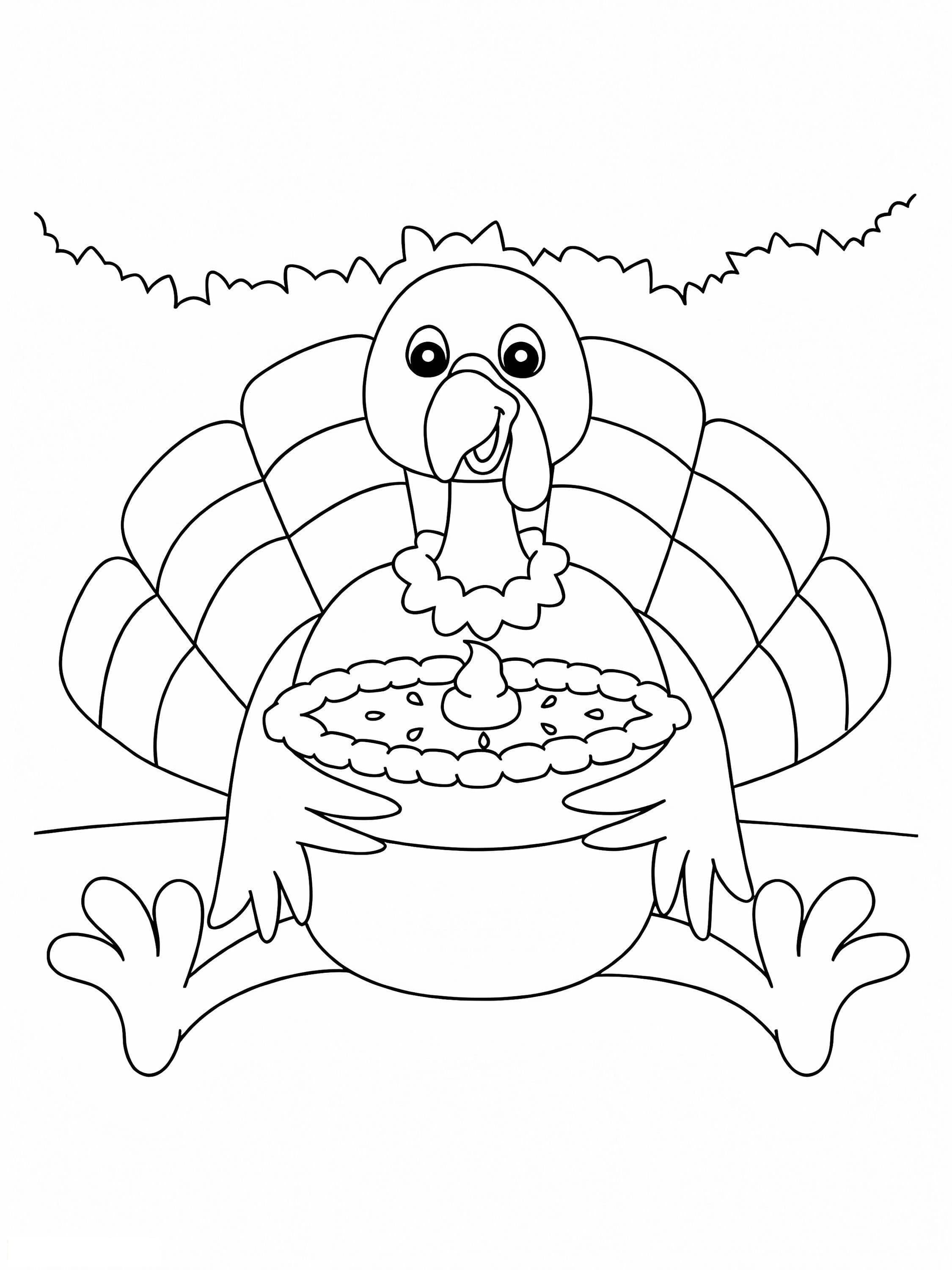
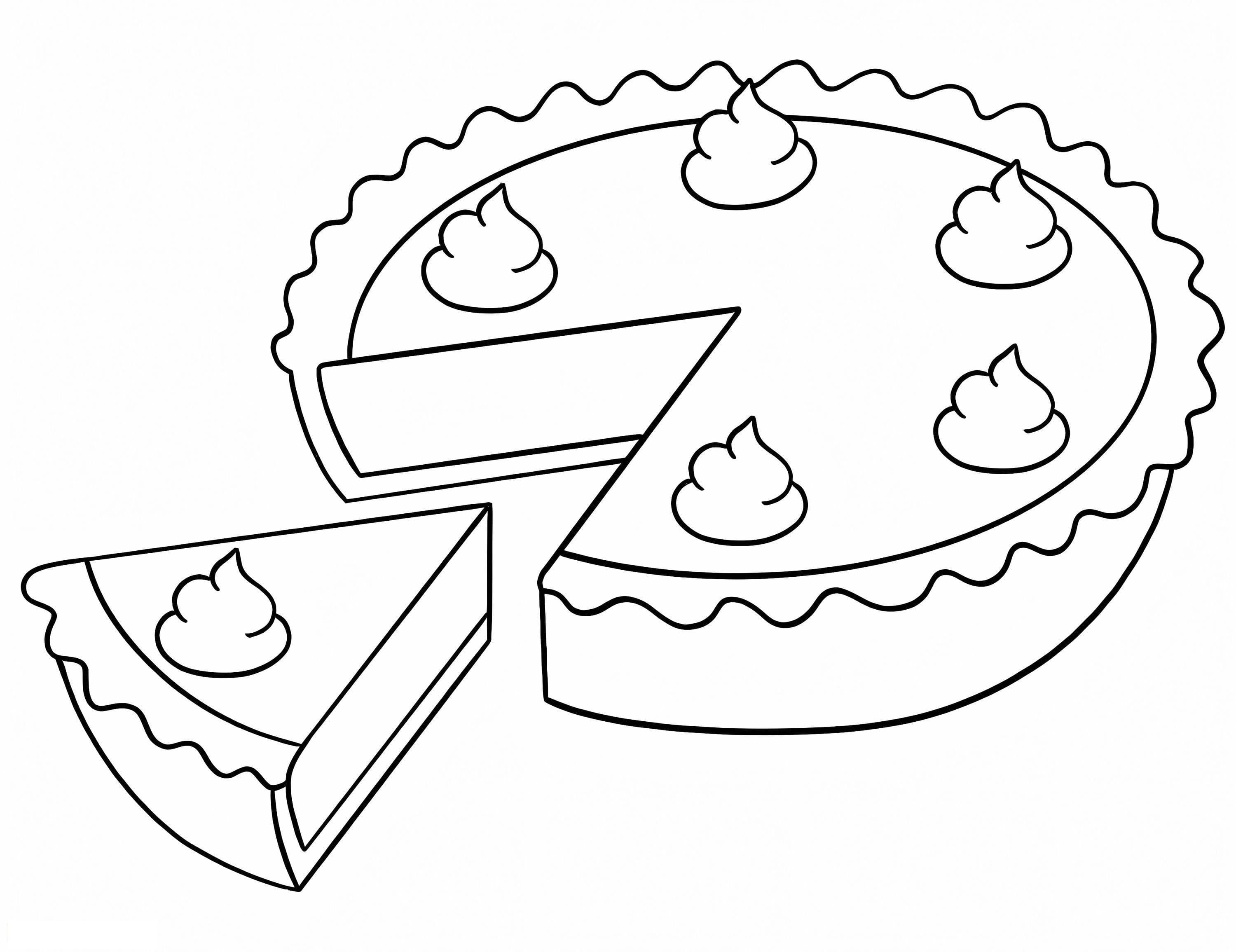
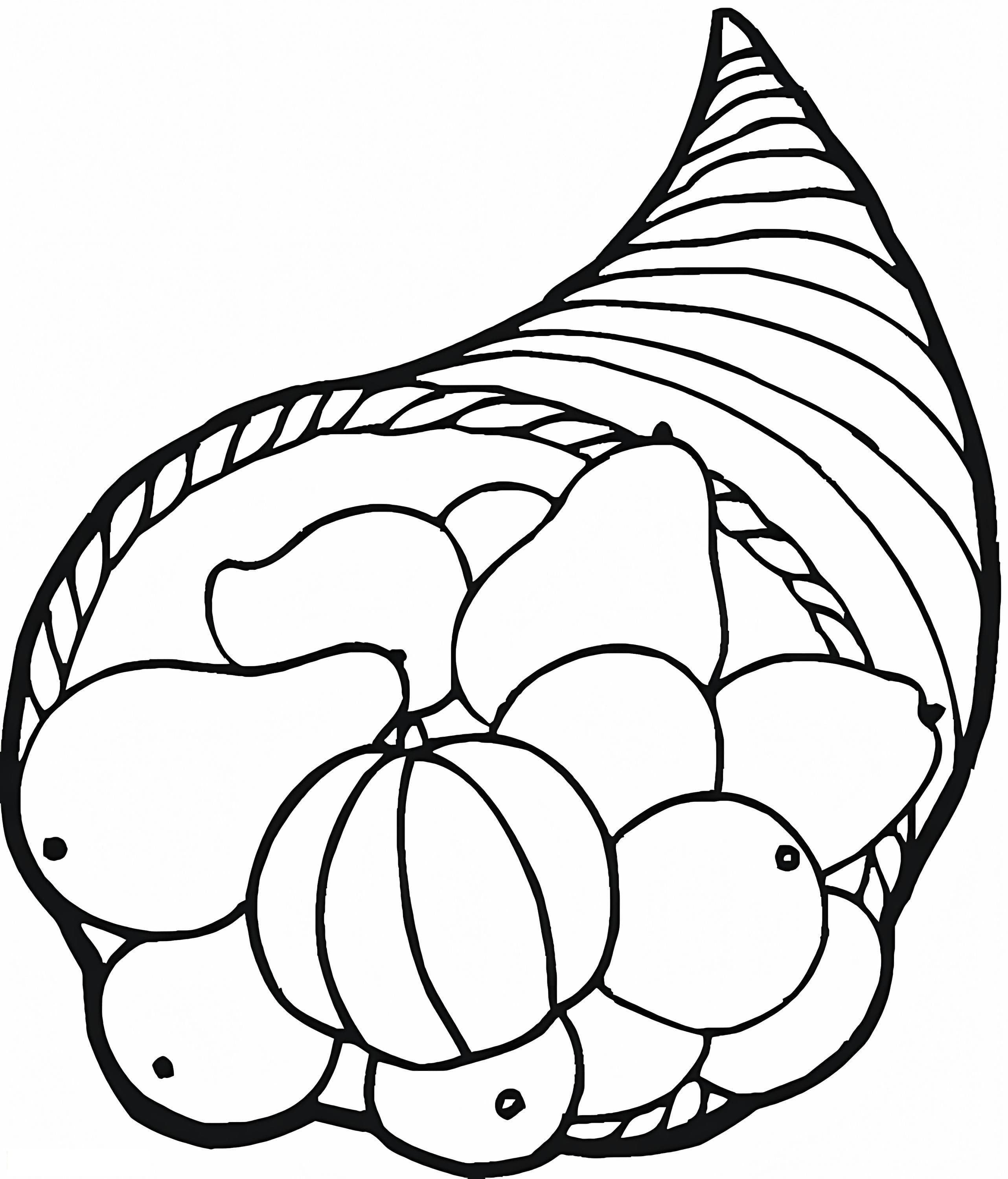
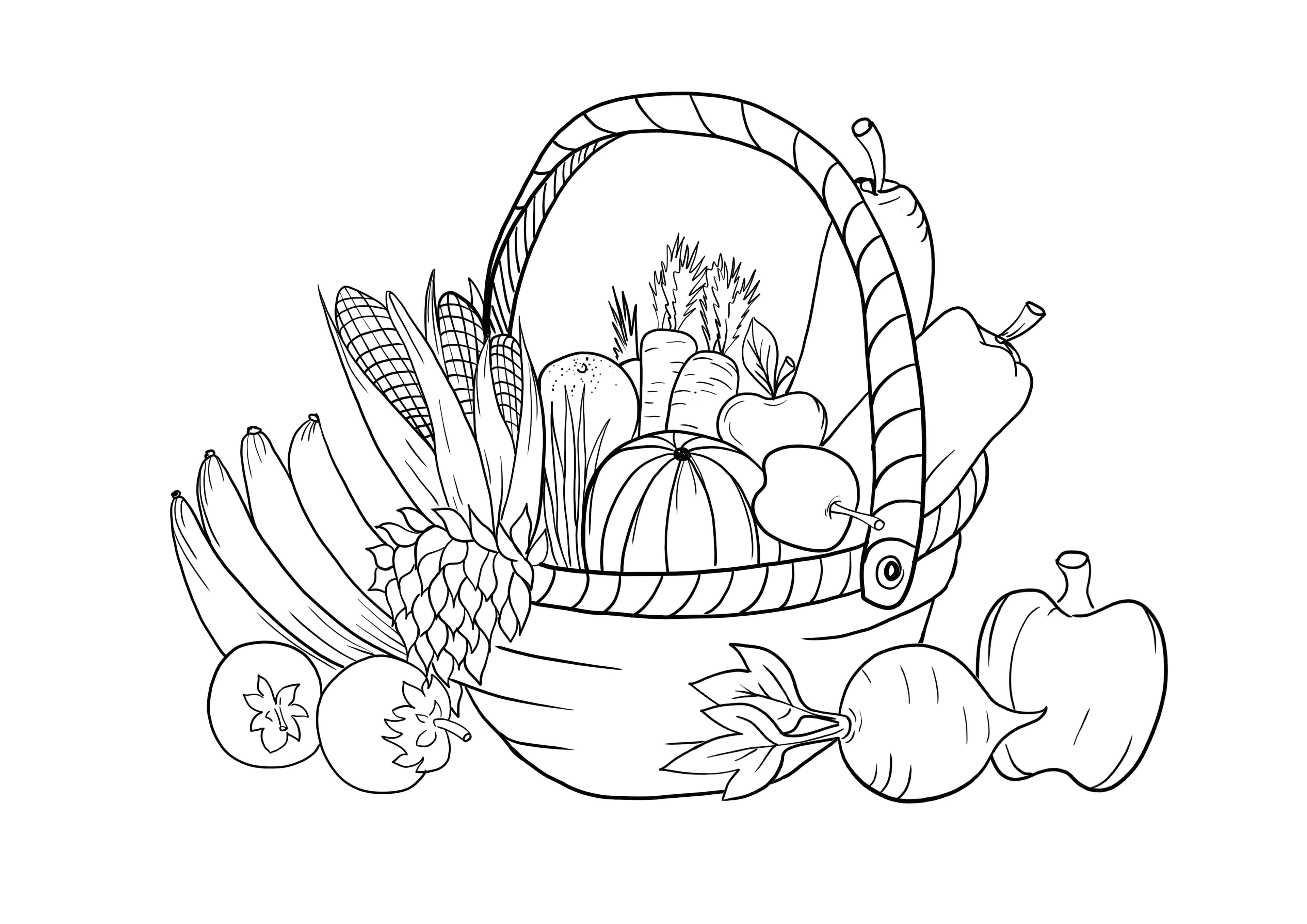
The table end of the season: pie with a slice cut, full baskets and cornucopias. Useful straight through Thanksgiving.
Every design here prints free on A4 or US Letter — no account, no watermark.
See the print settingsOpen any pumpkin coloring page and press Download. The image saves to your device at full print resolution, with no account step, no email wall and no watermark added between the screen and your printer.
Every design fits either size with the same margins, so there is no version to choose. Print portrait, and if the edges come out cut off, open More settings in the print dialog and choose Fit to printable area.
Plain 80 gsm copier paper is fine for crayons and pencils. Switch to 120 gsm cardstock for markers and for anything you plan to cut out, and print in normal rather than draft quality so the thinner outlines stay closed.
Press Color Online on any design to fill it in the browser — useful on a tablet, in a waiting room, or when the printer is out of ink. Tap a region to flood it with the selected color, then save or download the result.
When this does not fit: fine-line pumpkin mandalas bleed on thin 80 gsm paper under felt-tip markers, and draft or eco print mode thins the outlines until the smallest segments close up. Print those on 120 gsm at normal quality, and keep the markers for the bold toddler outlines.
Orange is the default on a coloring sheet, but only one of the colors a pumpkin actually grows in. Knowing the rest turns a blank outline into a choice.
Orange
The field pumpkin most people picture, and the one grown for carving. The shade most orange pencils are already mixed to.
White, or ghost
Casper and Lumina grow a chalky cream skin. The hardest to color, because the work is all in the shadow between the ribs.
Green
Green-skinned winter squashes — kabocha is sold as Japanese pumpkin — stay dark green when ripe. An unripe field pumpkin is green for the same reason a tomato is.
Blue-grey
Jarrahdale, an Australian heirloom, has flattened blue-grey skin with deep ribs. Use a grey pencil with blue pressed lightly over it, not blue alone.
Pink
Porcelain Doll grows a dusty pink skin. The color sits between salmon and terracotta — not the pink in a standard pencil tin.
Striped and warty
Ornamental varieties mix two tones in stripes or bumps. On a ribbed outline, color alternate segments two shades apart.
The orange comes from carotenoids — the same pigments that make carrots orange. They are in the fruit the whole time, masked by the green of chlorophyll.
As the pumpkin ripens the chlorophyll breaks down and what was underneath shows through. That is why one left on the vine keeps deepening, and why white and blue varieties, which carry little carotenoid in the skin, never turn orange.
Classic carving pumpkin
Orange · Burnt sienna · Yellow ochre · Sap green
Orange across the body, sienna in the grooves, ochre along the ridges that catch light, green for the stem.
Ghost pumpkin
Warm grey · Cool grey · Pale cream · Indigo
Leave the ridges as bare paper, shade the grooves warm grey, drop indigo at the base. The white is the paper doing the work.
Harvest sunset
Coral · Amber · Plum · Teal
A warm pumpkin against a cold background. Keep plum and teal in the sky and leaves, and the pumpkin reads as if lit.
One color, four pressures
Light · Medium · Firm · Heaviest
One orange pencil, four levels of pressure. The best first lesson in shading, and it needs nothing a classroom lacks.
Print a blank pumpkin and try one of these palettes.
Blank pumpkin outlinesA finished sheet does not have to go on the fridge. Each of these turns one printed pumpkin into something for the classroom, the table or the front door.
You need
One printed set per child, crayons or pencils, a wall or window to display on.
You need
Blank pumpkin outlines, scissors, A6 cardstock, glue stick, a fine pen.
An adult should do the cutting for children under six.
You need
A simple jack-o'-lantern face sheet, tape, a pushpin, a carving saw, a real pumpkin.
Simple outlines only. A mandala's lines are too fine and too close to transfer, and cutting them leaves nothing holding the pumpkin's front together. Carving is an adult job.
You need
Two or three colored sheets, scissors, string, glue stick, tissue paper, a window.
Pumpkins sit in two seasons at once. These categories carry on either side, through Halloween and into the harvest.
Yes. All 43 pumpkin coloring pages are free for personal and educational use: print at home, photocopy a set for a classroom, or color them online. No account, no payment, and nothing is watermarked.
Open a design, press Download, and the image saves at full print resolution. Print it portrait on A4 or US Letter. If the edges come out cut off, open More settings in the print dialog and choose Fit to printable area.
Orange is the common field pumpkin, but they also grow white (Casper, Lumina), green, blue-grey (Jarrahdale), pink (Porcelain Doll), and striped or warty in ornamental varieties. The color block above gives a palette for each.
Colored pencils shade the ribs best, crayons cover large toddler outlines fastest, markers are bright but bleed through 80 gsm paper, and watercolors blend orange into red the way a real pumpkin does — on 200 gsm paper.
The simple and blank outlines: one pumpkin per sheet, thick lines, and large open areas. Those two sets at the top of this page are filtered to exactly that, and they suit ages two to five with chunky crayons.
Yes, with the simple jack-o'-lantern outlines. Print the face at full pumpkin size, tape it flat, prick along the lines with a pushpin, then cut dot to dot. Mandalas will not transfer — their lines are too fine and too close together.
Yes. The adult sheets use fine-line work, dense pattern fills and mandala-style segments. Print those on 120 gsm paper and use 0.5 mm fineliners or hard pencils rather than markers, which pool at the line.
Yes. Classroom and non-commercial educational use is covered: print or photocopy as many sets as your group needs. Selling the sheets, or redistributing them as your own product, is not.